About the author : bbmemesalon@gmail.com

A facial can make your skin look freshly rested, more luminous, and beautifully prepared for the moments when you want to feel most like yourself. But how often should facials be on your calendar? The answer is less about following a rigid beauty rule and more about creating a rhythm that respects your skin, your goals, and the way you want to show up in the world.
For many clients, a facial is not simply an occasional indulgence. It is part of thoughtful image care, much like a precision haircut, dimensional color, or a well-chosen manicure. The right schedule supports healthy-looking skin between appointments while giving you a polished foundation for everyday confidence, celebrations, photography, and milestone events.
How Often Should Facials Be for Most Skin Types?
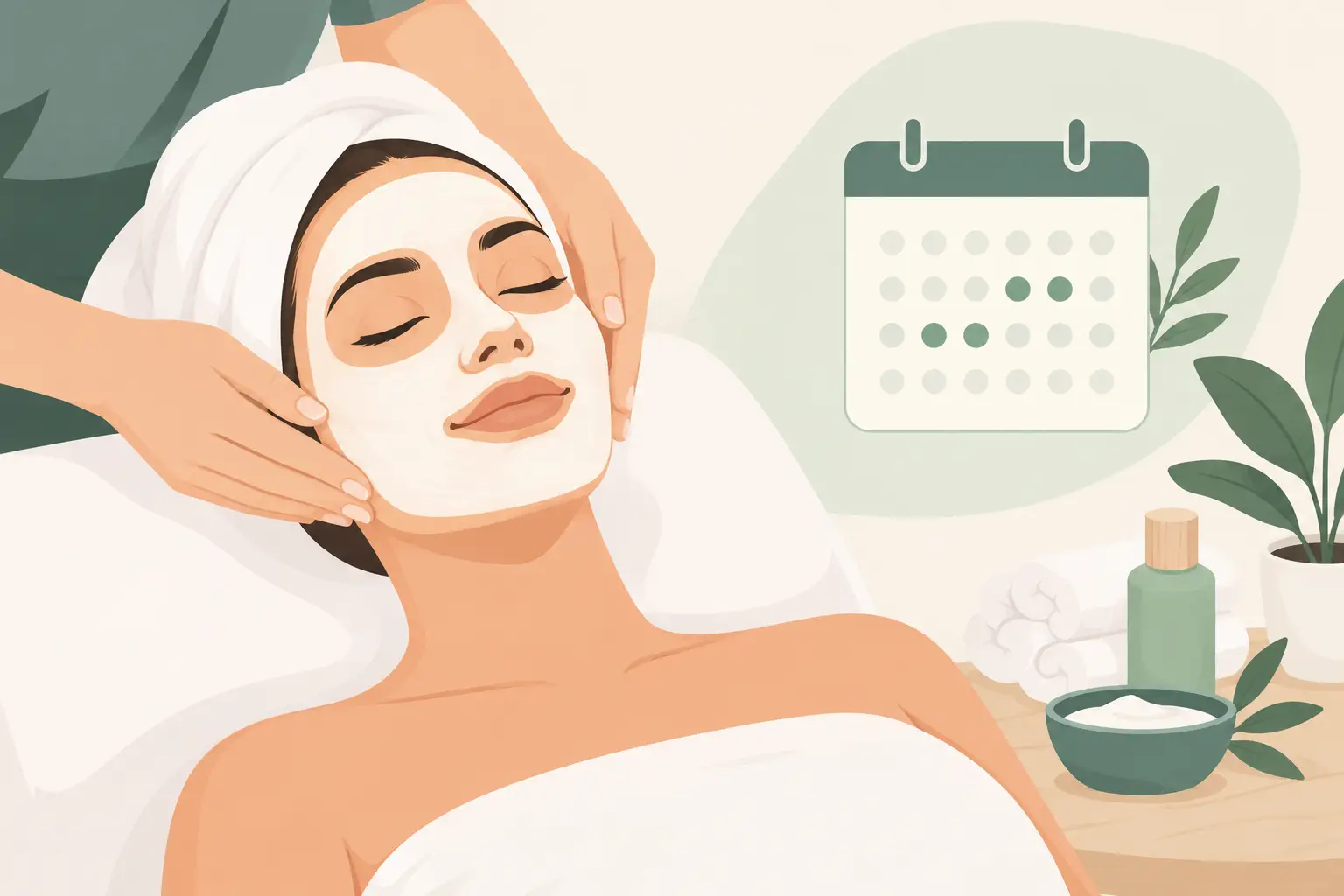
A professional facial every four to six weeks is a strong starting point for many people. Skin naturally moves through a renewal cycle over roughly a month, so this cadence gives an esthetician the opportunity to assess changes, clear surface buildup when appropriate, and adjust the service as your skin’s needs evolve.
That does not mean everyone needs a monthly appointment. If your skin is balanced, low-maintenance, and responding well to a consistent home routine, a facial every six to eight weeks may feel ideal. You still receive professional attention and seasonal adjustments without overworking skin that is already calm and comfortable.
Clients managing congestion, frequent breakouts, very dry skin, or visible texture may benefit from appointments closer together at first, sometimes every two to four weeks. This should be a considered plan, not an aggressive race toward instant results. Skin can become reactive when it is exfoliated, extracted, or treated too intensely too often. A skilled professional will balance progress with recovery time.
If you have highly sensitive skin, rosacea, eczema, a compromised barrier, or are using prescription skincare, ask for an individualized recommendation before booking a frequent series. Your dermatologist and esthetician can help determine what is supportive for your particular skin rather than simply following a standard interval.
Your Facial Schedule Should Match Your Skin Goals
The best frequency changes with the result you are trying to create. A person focused on a soft, hydrated glow may need a different plan than someone preparing for a wedding, managing post-summer dryness, or refining the look of makeup on camera.
For ongoing maintenance
Every four to six weeks often works well when your goal is skin that looks consistently refreshed. Regular treatments can support hydration, gentle exfoliation, and a more refined surface, while professional guidance helps you avoid buying products that do not suit your complexion. Think of this as a curated maintenance rhythm rather than a corrective program.
For acne-prone or congested skin
More frequent care may be useful during a focused period, particularly if extractions are appropriate and your skin tolerates them well. A series of appointments can help create consistency around cleansing, calming, and protecting the skin barrier. The home routine matters just as much. Picking at blemishes or adding multiple strong actives between visits can undo the calm, clear direction you are working toward.
For dryness, dullness, or seasonal changes
San Diego’s bright sun, ocean air, travel, air conditioning, and busy social calendars can all influence how skin feels. A facial at the change of seasons can be especially valuable, even for clients who do not come monthly. Late summer may call for replenishing hydration and gentle recovery, while cooler months often invite a more nourishing approach.
For mature skin and long-term radiance
Facials can be a beautiful part of an age-supportive skincare plan, especially when the focus is hydration, comfort, and healthy-looking luminosity. Consistency usually delivers a more elegant result than an occasional intensive treatment. Your esthetician may recommend a monthly or every-six-week schedule, then refine it based on sensitivity, sun exposure, and the treatments you use at home.
When You Are Preparing for an Event
For weddings, professional photos, reunions, or an important celebration, timing matters as much as the facial itself. A treatment can create a lovely fresh-skin effect, but trying a new service too close to an event leaves little room for your skin to settle.
If you are new to facials, schedule your first appointment at least two to three months before a major date. This gives you time to understand how your skin responds and to create a simple, reliable plan. For bridal beauty or a portrait session, a series of treatments may begin several months ahead, with the final familiar facial generally scheduled about one week before the event. That timing allows your complexion to look rested and radiant without risking last-minute redness or sensitivity.
Avoid strong exfoliation, deep extractions, or experimental products in the final days before you will be photographed. Camera-ready skin is not necessarily ultra-polished skin. It is hydrated, calm, even-looking, and comfortable enough to hold makeup beautifully.
At BB Meme Salon, this perspective fits naturally within total image creation. Hair, nails, skin preparation, and photography all contribute to a finished visual story. Planning facial care alongside your color appointment, wedding styling, or beauty photography session helps create a result that feels cohesive rather than pieced together at the last minute.
Signs You May Need a Facial Sooner
Your calendar is not the only guide. Skin often signals when it could use professional care. Persistent roughness, makeup that starts sitting unevenly, dullness that does not improve with hydration, recurring congestion, or a complexion that suddenly feels tight can all be reasons to book a consultation.
A facial can also be useful after a demanding period of travel, sun exposure, or stress. Still, do not assume every concern requires more treatments. Burning, peeling, unusually intense breakouts, swelling, or irritation are reasons to pause active products and seek appropriate medical advice, especially if symptoms persist. Beauty care should feel restorative, never punishing.
Signs You Might Be Booking Too Often
More is not always better, particularly with exfoliation-focused services. Skin that feels continually tender, looks persistently red, stings when you apply familiar products, or suddenly becomes dry and flaky may be asking for a gentler approach. Frequent treatments can be wonderful when they are carefully selected, but repeated aggressive resurfacing can weaken the very glow you want to protect.
Be honest about what happens between appointments. If you use retinoids, exfoliating acids, at-home peels, scrubs, or acne treatments, your esthetician needs to know. These details influence the service, the timing, and how much active treatment your skin can comfortably handle. A premium facial experience is not defined by intensity. It is defined by thoughtful choices and a complexion that looks better afterward, not merely different for a day.
Make the Results Last Between Visits
A professional facial works best when it has a calm, consistent home routine behind it. Cleanse without stripping, use moisturizer that suits your skin, wear broad-spectrum sunscreen daily, and introduce active products gradually. You do not need a crowded bathroom shelf to support beautiful skin. A few well-matched essentials, used consistently, often make the greatest difference.
It also helps to schedule around real life. If your work season is demanding, book before the stretch that usually leaves you depleted. If you have a vacation or celebration ahead, plan early instead of squeezing in a new treatment the day before. This turns facial care into a reliable act of preparation, not an emergency fix.
Your ideal facial frequency should leave you feeling cared for, never pressured to chase perfection. Start with a schedule that fits your skin and your life, observe how your complexion responds, and let each appointment become a moment to refine the way you care for your own image.