About the author : bbmemesalon@gmail.com

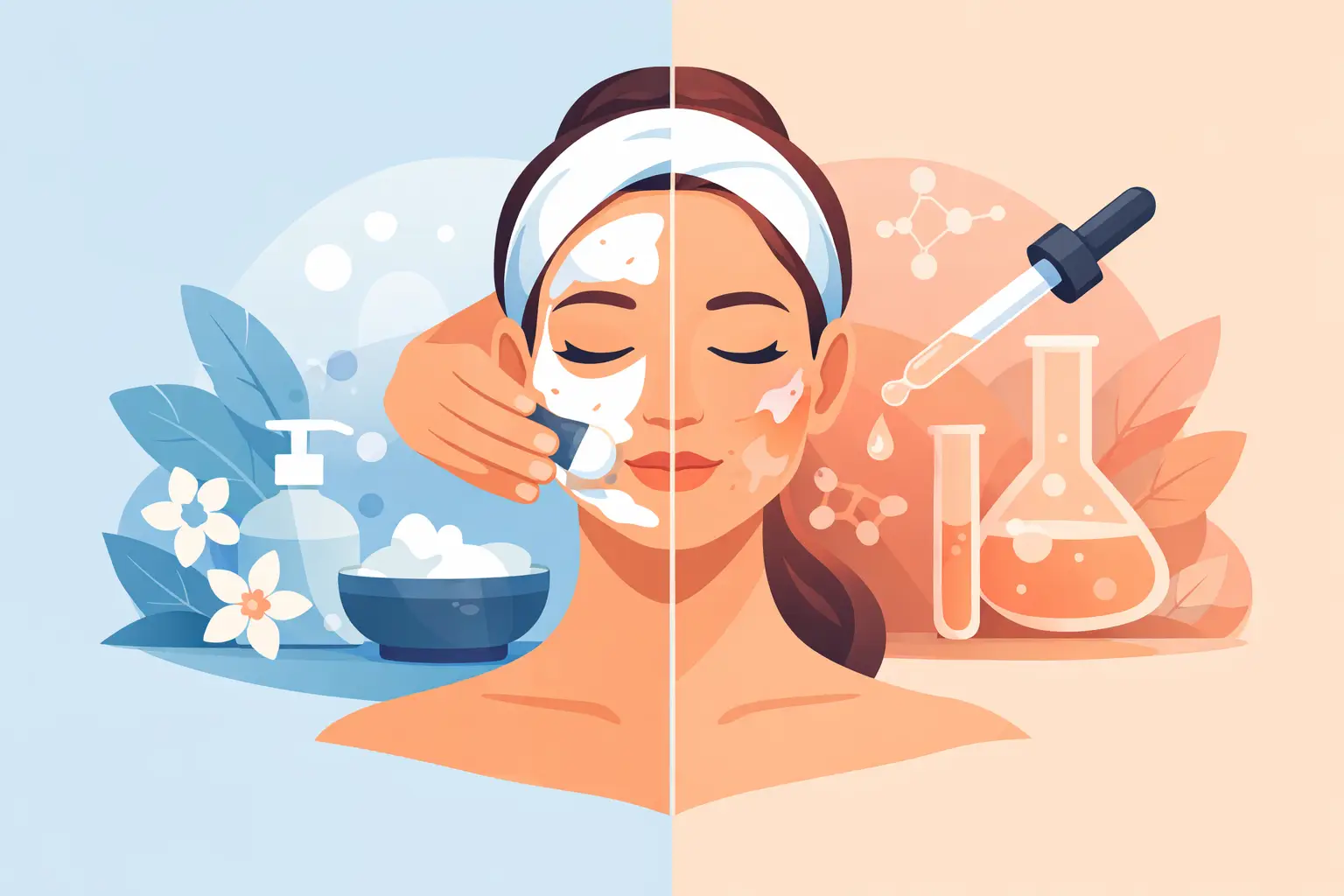
A bright, rested complexion can change the entire feeling of a haircut, special-event style, or photo session. But when skin looks congested, dull, uneven, or simply tired, the choice between a facial or chemical peel can feel less obvious. Both treatments can refine your appearance, yet they work at different intensities and ask different things of your skin and schedule.
The right choice is not necessarily the strongest treatment. It is the one that respects your skin’s current condition, supports your goals, and leaves enough time for your complexion to settle into its most polished state.
Facial or Chemical Peel: Start With Your Goal
A facial is typically a customized skin-care service built around cleansing, exfoliation, hydration, massage, extractions when appropriate, and targeted finishing products. It is a restorative experience as much as a beauty service. Depending on the facial and your skin, you may leave looking more hydrated, calm, and refreshed, with little to no recovery time.
A chemical peel uses a carefully selected acid solution to encourage the shedding of surface skin cells. The result can be smoother texture, a more even-looking tone, and a clearer, brighter surface over time. Because a peel deliberately creates a controlled exfoliating response, it may involve temporary redness, tightness, flaking, or visible peeling.
Think of the decision in terms of intention. If your skin needs comfort, hydration, gentle refinement, and a more rested appearance, a facial often makes sense. If you are addressing persistent texture, discoloration, acne-related concerns, or fine lines and are prepared for a more deliberate treatment plan, a peel may be worth discussing with a qualified provider.
When a Facial Is the Better Beauty Choice
A facial is ideal when you want skin that feels cared for rather than challenged. It can be especially appealing before a celebration, professional headshot, dinner, vacation, or any moment when you want a soft, healthy glow without planning around recovery.
A facial supports the polished details
Skin is not static. Travel, stress, sun exposure, seasonal dryness, hormonal changes, and shifts in your home routine can all alter how it looks and feels. A well-chosen facial allows the service to respond to what your complexion needs that day. One appointment might focus on hydration and barrier support, while another may prioritize gentle exfoliation or careful attention to congestion.
For clients who wear makeup regularly, facials can also create a smoother canvas. Hydrated skin tends to allow complexion products to sit more evenly, while thoughtful exfoliation can reduce the appearance of dry, uneven surface texture. That matters when the final look will be captured on camera, where every detail is more visible.
Facials are not one-size-fits-all, however. Aggressive extractions or strong exfoliation are not always the best choice for reactive, inflamed, or compromised skin. A skilled professional should adjust the service rather than force every step into every appointment.
What a Chemical Peel Can Address
Chemical peels range from light, superficial options to medium and deep treatments. The depth matters. A light peel generally affects the outermost layer of skin and may produce mild flaking or little visible peeling. Medium and deep peels reach further, require more recovery, and should be performed only by appropriately licensed medical professionals in the proper setting.
For the right candidate, a chemical peel can be a focused tool for concerns that do not always shift with a standard facial alone. These may include rough texture, dullness, certain forms of hyperpigmentation, fine lines, mild acne, or post-acne marks. Results are often best viewed as a series and a strategy, not a single dramatic appointment.
More intensity requires more planning
The word “peel” can make people expect visible sheets of skin shedding. That is not always what happens. Some treatments create only subtle dryness or a fine, temporary flake, while stronger peels can cause more noticeable peeling and redness. Visible peeling is not the only measure of whether a treatment is working.
The trade-off is recovery. While a facial may fit neatly into a busy week, a peel may require you to avoid direct sun, heat, vigorous exercise, exfoliating products, picking, and certain active ingredients while skin heals. Your provider should explain exactly what to expect before treatment, including the likely downtime for the peel being considered.
Choosing a Facial or Chemical Peel for Your Schedule
Timing is part of beauty planning. If you have a wedding, portrait session, gala, reunion, or important presentation, avoid trying a new chemical peel at the last minute. Even a mild peel can reveal an unexpected sensitivity, and temporary flaking is not the look most people want in event photographs.
For an upcoming occasion, a facial scheduled with thoughtful lead time is often the more forgiving option. It gives skin a chance to respond to hydration and professional care without introducing the uncertainty of post-peel shedding. If you already know that your skin tolerates a particular peel well, schedule it far enough in advance for complete recovery and follow your provider’s guidance.
A longer-term skin goal offers more flexibility. If uneven tone or texture is your central concern, begin the conversation months ahead of a milestone. This makes room for a gentle, measured series of treatments, changes to your home care, and proper sun protection instead of relying on one high-intensity appointment.
Your Skin History Matters More Than a Trend
A peel that works beautifully for a friend may not be right for you. Skin tone, sensitivity, acne activity, history of dark marks after irritation, rosacea, eczema, allergies, medication use, pregnancy status, and recent procedures can all affect the recommendation.
Be especially transparent about prescription retinoids, acne medications, at-home acids, recent waxing, laser treatments, injectables, and any tendency toward cold sores. These details are not minor. They help a provider decide whether to postpone treatment, select a gentler option, or refer you for medical guidance.
Sun exposure deserves equal attention in San Diego. Freshly treated skin is more vulnerable to sun damage and discoloration, particularly after a peel. Daily broad-spectrum sunscreen, shade, and a brimmed hat are practical parts of protecting the investment you make in your complexion.
Do not attempt to create a professional peel at home with overly strong products or improvised techniques. Over-exfoliation can disrupt the skin barrier, leading to redness, stinging, breakouts, and prolonged sensitivity. Beautiful skin rarely responds well to urgency.
Make the Treatment Part of Your Total Image
The most flattering beauty result is cohesive. A luminous complexion can elevate hair color, complement a fresh cut, and help special-occasion styling feel intentional rather than overworked. It is why skin care deserves the same thoughtful timing as the rest of your preparation.
At BB Meme Salon, a facial can be part of a more considered beauty experience, especially when you are preparing for an event, a personal milestone, or a camera-ready moment. Share your timeline, skin concerns, and desired finish before booking so the service can support the image you want to create.
Choose the treatment that gives your skin room to look like itself, only more rested, refined, and confidently cared for.