About the author : bbmemesalon@gmail.com

A beautiful wedding look is not built around a single hairstyle or a perfect shade of lipstick. Wedding styling is the thoughtful work of bringing every visual detail into harmony – your hair, skin, nails, dress, venue, accessories, and the way you want to feel when the day finally arrives. The goal is not to become someone else for the photographs. It is to look like yourself with more intention, confidence, and polish.
For many brides and wedding parties, the most memorable looks have a sense of ease. They suit the person wearing them, hold up through a full day of celebration, and feel equally beautiful in close-up portraits, candlelit receptions, and spontaneous moments on the dance floor.
Wedding Styling Begins With Your Point of View
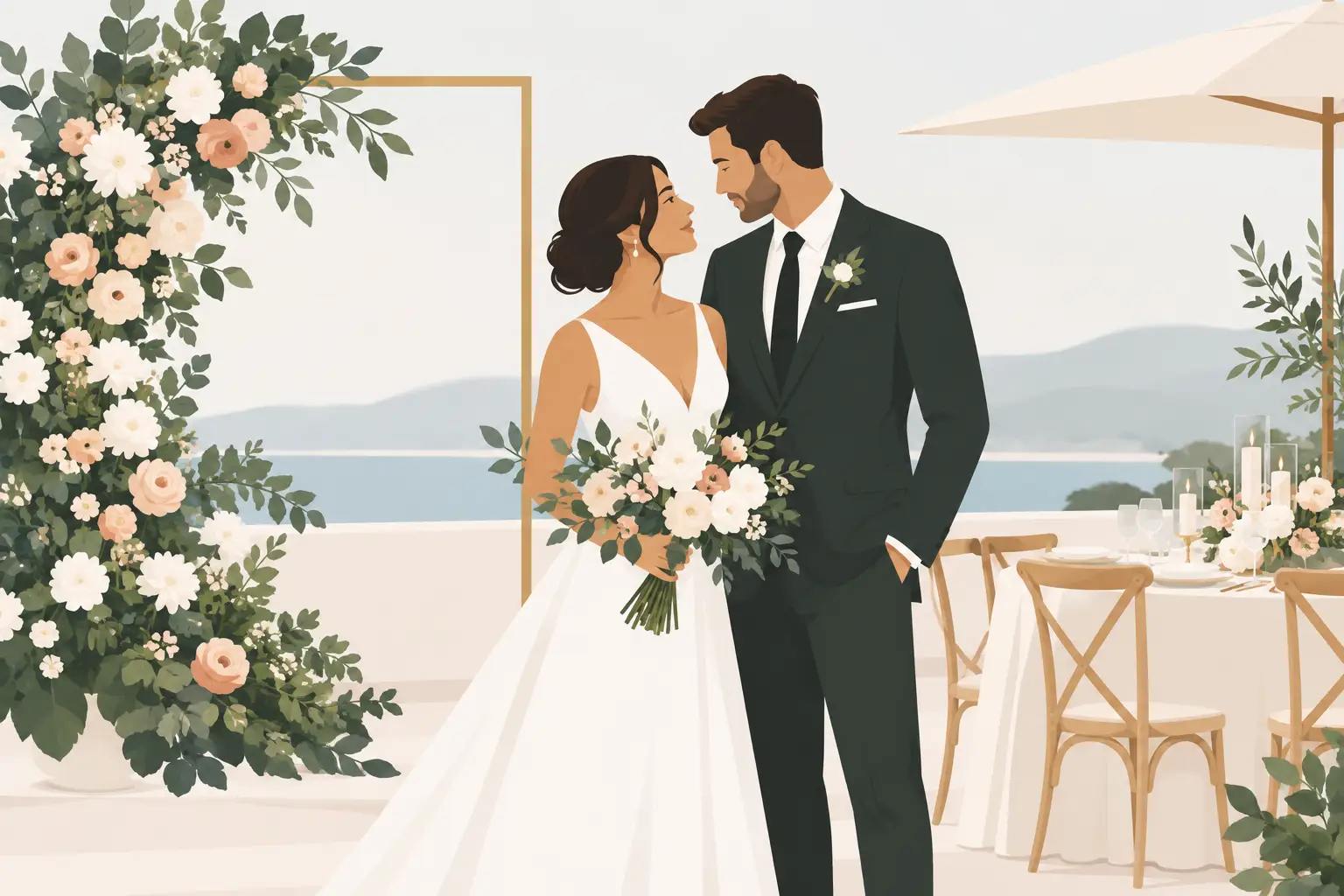
Before choosing a hairstyle, consider the atmosphere you want to create. A Coronado ceremony by the water may call for luminous skin, movement in the hair, and details that feel light against the coastal setting. A formal evening celebration may invite more structure, a refined chignon, or a glossy wave with a stronger editorial finish.
Your personal style belongs in this decision. If you rarely wear dramatic makeup or tightly sculpted hair, your wedding day may not be the moment to choose a look that feels unfamiliar. On the other hand, a wedding is a celebration, and a little more glamour than your everyday routine can feel wonderfully appropriate. The best direction sits between recognition and transformation.
Bring visual references to your consultation, but look past the surface. Notice what you are responding to in each image. Is it the softness around the face? The clean neckline? The shine of the hair? The confidence of a bold lip? A skilled stylist can translate those qualities into a look that works with your features, hair texture, dress, and schedule.
Let the Dress and Venue Guide the Details
A wedding look feels intentional when the elements speak to one another. This does not mean every detail must match. It means the choices share a visual language.
An intricate gown often pairs beautifully with hair that has a clear shape, allowing the dress to remain visible rather than competing for attention. A minimalist silk gown can support a more expressive hairstyle, a sleek ponytail, sculptural bun, or old Hollywood wave. With a high neckline, an upstyle may frame the face and shoulders. With an open back, hair placement becomes part of the design.
The venue matters as much as the dress. San Diego light can be bright and revealing, especially for daytime ceremonies and outdoor portraits. Skin preparation, controlled shine, and hair that can move without losing its form become practical as well as aesthetic considerations. Ocean air and coastal humidity may affect texture, while a ballroom or evening venue can support more polished structure.
Accessories should be decided early enough to include in the trial. A veil, statement earrings, hairpins, headband, or floral pieces change the balance of a style. Even the weight and placement of an accessory can influence how long a hairstyle holds comfortably.
Choose a Style That Moves Well
The most photographed version of your hair will not be the first five minutes after it is finished. It will be after greetings, hugs, wind, ceremony emotions, and hours of celebration. That reality should shape the style.
Soft waves can be romantic and touchable, but they may need strategic setting and product support if your hair tends to fall quickly. An upstyle offers reliable longevity, yet it should be designed with enough softness that it does not feel overly severe. Half-up styles offer a balance of movement and security, particularly for clients who want their hair visible in photos while keeping it away from the face.
There is no universally correct choice. Hair density, length, extension use, climate, and comfort all affect what will work best. A trial is where the dream image becomes a practical, personalized plan.
The Trial Is Where Confidence Is Created
A wedding trial is more than a rehearsal appointment. It is an opportunity to test proportions, refine your vision, and build trust with the artist creating your look. Arrive with images of your dress, accessories, venue, and inspiration, along with an honest description of how you normally wear your hair and what makes you feel most confident.
Be open about what you do not want, too. Perhaps you dislike hair pulled tightly around your face, feel uncomfortable with heavy foundation, or know that you will be emotional and need a style that will not tempt you to keep touching it. These details help shape an experience that feels personal rather than prescribed.
At the end of the trial, take photographs from several angles and look at them later in natural light. Consider how the style feels after an hour, not just how it looks in the salon mirror. If a change is needed, that is useful information, not a setback. The purpose of the trial is to make the wedding day calmer.
Build Beauty Preparation Into the Timeline
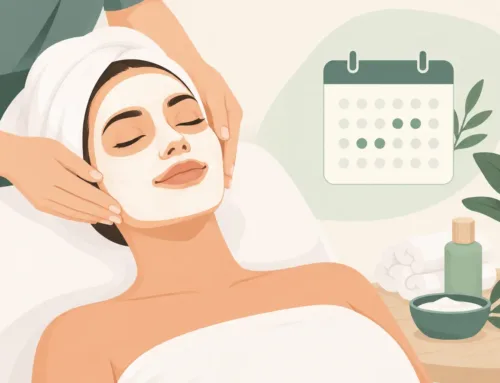
Great wedding styling is supported by preparation. Hair color, haircut shaping, facials, and nails do not need to happen all at once, and spacing them thoughtfully helps create a more relaxed experience.
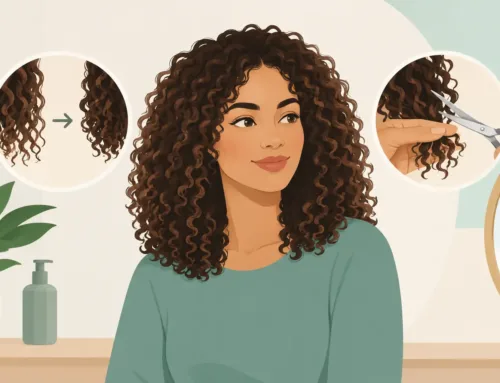
Color services are often best planned early enough to allow for adjustment, especially if you are considering highlights, a richer gloss, or a meaningful change. A fresh cut or trim can give the hair healthier movement, but dramatic shape changes immediately before the wedding can create unnecessary uncertainty. Skin services should follow a plan that respects your skin’s sensitivities rather than introducing an aggressive treatment too close to the event.
Nails deserve the same attention as any other finishing detail. Hands appear in ring photographs, bouquet images, and close embraces throughout the day. A classic neutral, a translucent pink, or a refined tone that echoes your palette can look timeless, while a more distinctive color can be a beautiful expression of personality.
At BB Meme Salon, this connected approach is part of total image creation: considering hair, skin, nails, and photo-ready detail as one cohesive experience rather than a series of unrelated appointments.
Create a Calm, Realistic Wedding Morning
A polished result depends on a realistic schedule. Wedding mornings become stressful when there is no room for travel, wardrobe changes, touch-ups, or the natural unpredictability of a group getting ready together.
Start with the person whose service will take the longest, then work backward from the time everyone needs to be dressed. The bride’s hair is often completed before makeup-adjacent finishing steps, but the exact order depends on the gown, veil, photography timing, and personal preference. A stylist can help build a service order that keeps the room calm and makes space for meaningful moments with family and friends.
Wear a button-front shirt or robe while getting ready so your hairstyle remains untouched when it is time to change. Have accessories gathered in one place, including your veil, pins, earrings, and any family heirlooms. Eat and hydrate. These simple details make a visible difference in how comfortable and present you feel.
Plan for Touch-Ups, Not Perfection
Wedding beauty should last, but it should not be expected to remain frozen. A few thoughtfully chosen touch-up items can carry you through the day: lipstick or gloss, blotting papers, a small powder compact, hairpins, and a travel-size hairspray if appropriate. Ask your stylist which products make sense for your specific look.
Perfection is not the point. Some of the loveliest wedding photographs happen after the ceremony, when the hair has softened slightly and the face reflects the happiness of the day. A style that has life in it often photographs more beautifully than one that looks untouched.
Make the Look Feel Like a Complete Image
Wedding styling is ultimately about how all the details support the way you want to remember the day. Your hairstyle should complement your gown without hiding it. Your skin should look cared for and alive, not masked. Your nails, accessories, and color choices should feel considered without demanding attention away from you.
When beauty preparation is approached as a collaboration, there is room for both artistry and practicality. You can honor a cultural tradition, wear your grandmother’s earrings, choose a dramatic veil, or keep everything understated. What matters is that the final look feels true when you see yourself in the mirror.
Give yourself permission to choose the version of beauty that feels most like your own. The right wedding styling will not compete with the moment. It will let you step into it with ease, knowing every detail has been crafted to support the person at the center of the celebration.