About the author : bbmemesalon@gmail.com

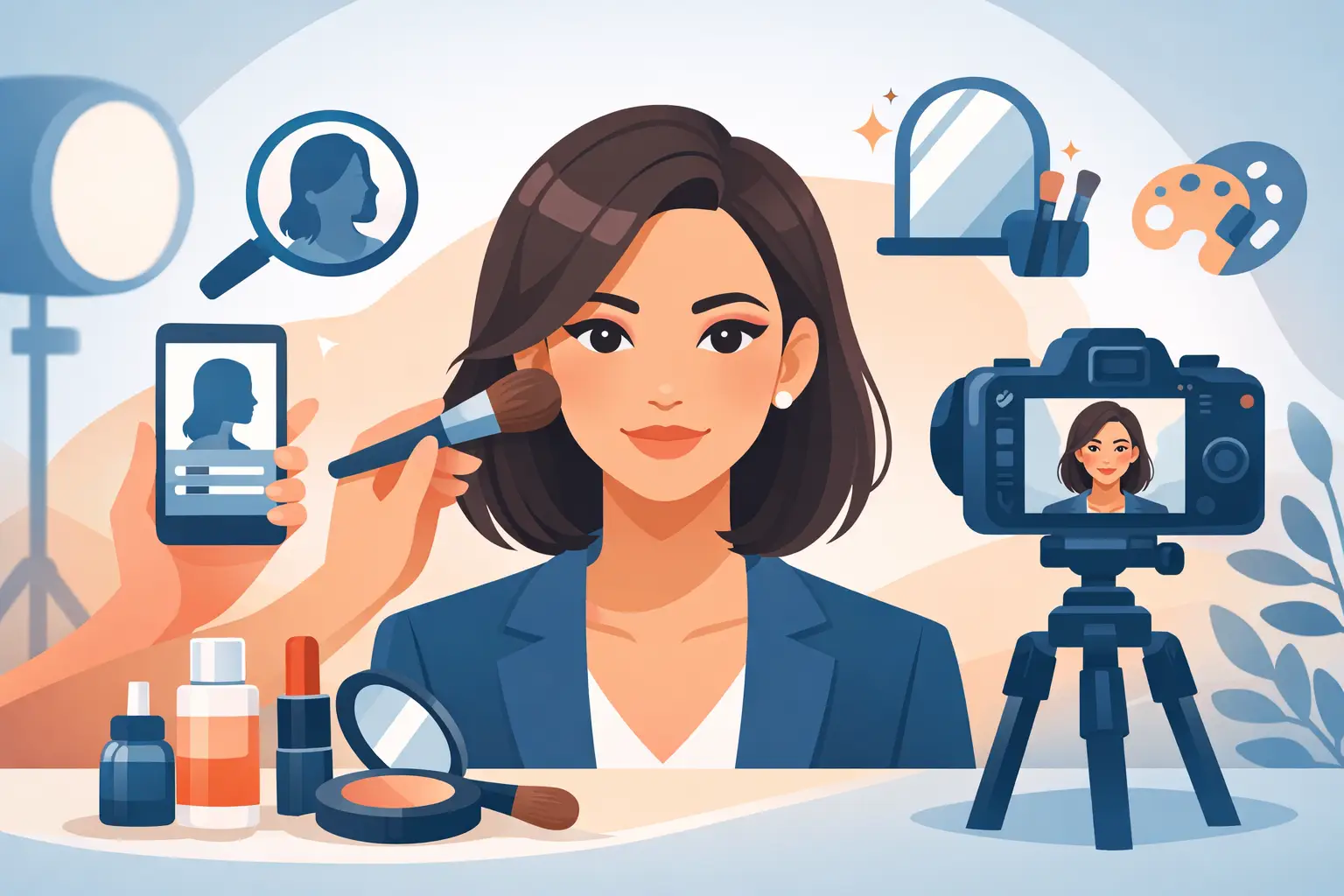
A strong headshot should feel like you on your best day: rested, refined, approachable, and fully present. This professional headshot beauty guide is designed for professionals, entrepreneurs, creatives, and anyone who needs an image that reflects the quality of their work. The goal is not to look overly styled or unlike yourself. It is to create a polished, cohesive version of your personal style that holds up beautifully on camera.
A headshot is often seen before your introduction, your portfolio, or your first conversation. Whether it appears on a company website, LinkedIn profile, speaker bio, casting page, or business card, it quietly communicates care and confidence. Thoughtful preparation allows your personality to lead rather than leaving distracting beauty details to compete for attention.
A Professional Headshot Beauty Guide Starts With Your Image
Before choosing a hairstyle or booking a facial, consider what your headshot needs to communicate. A corporate attorney may want a clean, composed image with controlled texture and a timeless color palette. A designer, real estate professional, wellness provider, or artist may have more room for visible personality, movement, and creative styling. Neither approach is better. The right choice depends on your industry, audience, and the way you want people to feel when they meet you.
Start with the setting and use of the photograph. Studio lighting, outdoor portraits, black-and-white images, and brightly lit office settings each respond differently to hair texture, skin finish, and wardrobe color. If possible, share your planned outfits and photography style with your stylist before the appointment. This is where total image creation becomes valuable: hair, skin, nails, clothing, and photographic direction should support one another.
Avoid making dramatic changes immediately before a headshot unless you already know the result works for you. A bold new fringe, a major color transformation, or an unfamiliar haircut can be beautiful, but it can also take time to settle into your features and daily styling routine. For a portrait with a fixed deadline, refinement is usually more reliable than reinvention.
Plan Hair Color and Cut With the Camera in Mind
Hair is one of the first visual elements people notice in a headshot. It frames the face, affects the apparent shape of the jawline and forehead, and can either bring light toward the eyes or cast shadows around them. The best headshot hair is not necessarily the most elaborate style. It is healthy-looking, intentional, and suited to the way you normally wear it.
For color services, schedule roughly one to two weeks before the shoot. This gives fresh color time to soften naturally while still looking rich and dimensional. Gray coverage, glosses, balayage refreshes, and subtle face-framing highlights can all photograph beautifully when they are placed with intention. Flat, overly dark color can sometimes absorb light, while excessive contrast can pull focus away from the face. Your stylist can help create dimension that remains visible without looking stripey or artificial.
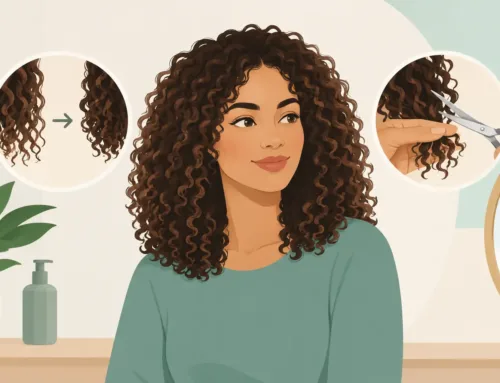
A haircut is often best booked five to 10 days before your session. That window gives the shape a little movement while keeping the ends polished. If you wear short hair, you may prefer a closer appointment. If you have curls, layers, or a long style that needs time to relax after a trim, a little more lead time may be ideal.
On photo day, wash and style according to your hairstylist’s recommendation rather than experimenting with a new product. Clean hair is helpful, but hair that is too freshly washed can become overly soft, flat, or difficult to shape. Bring a brush, a few pins, and the products that work for your texture. Humidity near the coast, wind in Coronado, and a busy workday before your session can all influence the final finish.
Choose a Style That Lets Your Face Speak
Hair should complement your features without covering the parts of your face people use to connect with you. A side part, soft bend, smooth blowout, controlled curl pattern, or tucked-behind-the-ear detail can create an open, engaging effect. If you usually wear glasses, style with them on for part of the preparation so the balance feels natural.
For long hair, decide whether it will sit in front of one shoulder, both shoulders, or behind the body. This small choice changes the portrait significantly. Hair fully forward can feel glamorous and soft, while hair swept back often reads more direct and professional. For short styles, attention to texture at the crown and around the temples helps prevent a flat silhouette under studio lights.
Give Skin Time to Look Like Skin
The most convincing camera-ready complexion is not a heavy mask. It is skin that looks hydrated, calm, and cared for. Begin with consistent, gentle skincare rather than introducing aggressive treatments in the days before a shoot. A fresh, healthy finish photographs better than temporary perfection followed by redness, peeling, or irritation.
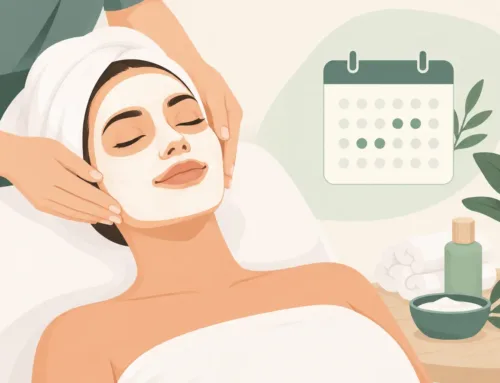
If you enjoy facials, schedule one about a week before the session, especially if you are trying a service or product for the first time. A hydrating facial can support glow and smooth makeup application, while a more intensive exfoliating service may require additional recovery time. If your skin is reactive, acne-prone, or undergoing treatment with a dermatologist, follow the routine that already works for you.
For the final 48 hours, prioritize water, sleep, and a simple routine. Avoid picking at blemishes, over-exfoliating, or testing strong retinol, acids, or self-tanner. These choices can create texture that is more noticeable under professional lighting than it is in the mirror. If a blemish appears, do not panic. Professional makeup and retouching can address small concerns, but irritated skin is harder to disguise than a single spot.
Makeup Should Read as Polished, Not Painted
Makeup for headshots needs slightly more definition than makeup for a casual lunch because cameras can soften contrast. That does not mean every feature needs to be dramatic. A well-matched complexion, light concealing where needed, groomed brows, subtle contour, and color at the lips and cheeks can create a balanced result.
Matte and luminous finishes both have a place. Very dewy skin may appear shiny under bright lights, while an extremely matte base can look dry or flat. A soft satin finish is often the most forgiving choice. If you work with a makeup artist, tell them where the image will be used and whether you want a natural, editorial, executive, or creative look.
Bring lip color for touch-ups, blotting papers, and a compact powder if you tend to shine. Avoid sunscreen with a high level of zinc or titanium dioxide immediately before flash photography unless you know how it performs in photos. Some formulas can create a pale cast, particularly on deeper skin tones.
Small Details Create a Finished Portrait
A headshot is a close-up, so the details matter. Nails may not always appear in a traditional portrait, but they can show when you touch your hair, hold a jacket, or pose with your hands near your face. A clean manicure in a neutral, classic red, or color that supports your wardrobe keeps the image feeling considered.
Brows deserve the same attention. A professional shaping or a light cleanup can frame the eyes beautifully, but avoid over-tweezing right before your appointment. For facial hair, groom it the way you prefer to be seen in professional settings. Clean lines can look sharp, while a well-maintained beard can add character and structure.
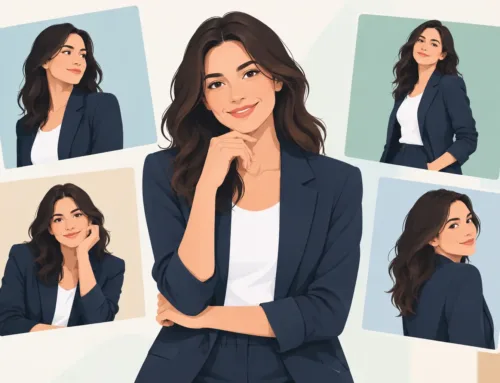
Wardrobe should be selected early enough to test with your hairstyle. Choose garments that fit well at the shoulders and neckline, since those areas are often visible. Solid colors and refined textures are generally more dependable than tiny patterns, logos, or highly reflective fabrics. Bring two or three options if your photographer allows it, including one that feels slightly more formal and one that shows your personality.
Create a Calm Photo-Day Routine
The morning of your session should feel organized, not rushed. Give yourself more time than you think you need for hair, makeup, dressing, travel, and a few quiet minutes before the camera comes out. Arriving flustered can show in the eyes, posture, and smile.
Eat something light, drink water, and wear a button-front shirt or wide-neck top while getting ready so you do not disturb your finished hair or makeup when changing. Keep accessories simple unless jewelry is a signature part of your look. A piece with personal meaning can be lovely; several competing pieces can distract in a tight crop.
At BB Meme Salon, the approach to headshot preparation is rooted in collaboration: considering the haircut, color, skin, styling, and final image as one carefully crafted experience. That perspective is especially helpful when your portrait is tied to a milestone, a business launch, or a new chapter in your career.
When the camera is in front of you, let the preparation do its work. Relax your shoulders, breathe before each frame, and focus on a thought that makes you feel capable and at ease. The most memorable headshots are not flawless. They are clear, expressive portraits of someone ready to be seen.