About the author : bbmemesalon@gmail.com

A profile photo can introduce your work before you say a word. Yet the most compelling images do more than show a polished haircut or a flattering outfit. A personal branding photoshoot makeover brings your visual details into conversation, so your hair, skin, wardrobe, posture, and setting express the same point of view.
For a San Diego founder, creative professional, real estate advisor, artist, or executive, that cohesion matters. Your audience is often deciding whether you feel credible, approachable, original, or aligned with their needs in a matter of seconds. The goal is not to look like someone else. It is to be recognized more clearly as yourself.
What a Personal Branding Photoshoot Makeover Should Create
A branding makeover is not simply a blowout before a camera appointment. It is a considered image-creation experience designed around how and where your photos will be used. A warm, relaxed portrait for a wellness practitioner calls for a different finish than an editorial headshot for a creative director or a confident image for a professional launching a new service.
The strongest results live between aspiration and familiarity. You should look refined, rested, and intentional, but still like the person clients will meet for coffee, a consultation, or a presentation. When styling becomes too formal, overly trendy, or disconnected from your daily identity, the image can feel less believable. When it is too casual, the opportunity to establish presence may be lost.
That balance begins with a simple question: what should someone feel after seeing your photo? Calm confidence, artistic energy, precision, warmth, authority, or ease can all guide the visual choices that follow.
Begin With the Story, Not the Hairstyle
Hair and beauty choices photograph best when they support a larger story. Before selecting an outfit or deciding on a backdrop, consider the practical life of the final images. Will they appear on a website home page, LinkedIn profile, speaker bio, press feature, social media, or printed materials? A photo used in a small circular profile crop needs a clear expression and a hairstyle that frames the face. A wider website banner gives wardrobe, gesture, and environment more room to speak.
Think, too, about your existing visual language. If your business uses clean neutrals and crisp typography, an ultra-romantic look may feel out of place. If you are an artist or designer whose work is expressive and color-led, an overly corporate portrait can mute your personality. Consistency does not mean sameness. It means that your image makes sense beside the work you already put into the world.
A useful planning conversation covers your audience, industry, preferred level of polish, and comfort on camera. Bring a few references, but avoid copying one image exactly. Lighting, face shape, hair texture, wardrobe, and location all affect the final result. References are most valuable when they reveal a feeling or direction rather than impose someone else’s look.
Build a Camera-Ready Beauty Plan
A camera notices contrasts, texture, and small details differently than the mirror does. The best preparation focuses on refinement rather than dramatic correction at the last minute.
Hair That Holds Its Shape and Its Personality
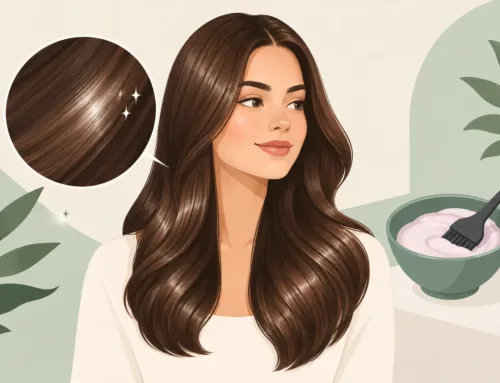
A cut, color, or styling appointment should be timed thoughtfully. If you are making a major color change, schedule it early enough to make small adjustments if needed and to let yourself become comfortable with the result. For a photo session, hair should have movement and shape without looking overly sprayed or rigid.
Consider how your hair will read from multiple angles. A style that looks beautiful straight on may need more volume at the crown or softness around the face for three-quarter poses. Color dimension can also add depth under studio lighting or bright coastal sun, while a carefully placed gloss can create a healthy, polished finish.
The right choice depends on your brand and your routine. If you never wear elaborate waves, a highly styled look may feel unlike you. A refined version of your natural texture, a clean blowout, or a sculpted short style often photographs with more confidence because you can inhabit it naturally.
Skin, Nails, and the Details That Finish the Frame
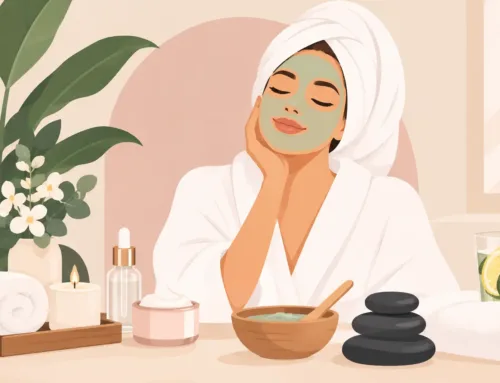
Skin preparation is less about perfection than luminosity and comfort. A facial scheduled with enough time before the shoot can help create a fresh, cared-for appearance, but avoid introducing aggressive treatments too close to camera day. Hydration, rest, and familiar products tend to be wiser than experimentation.
Hands often appear in personal branding imagery: holding a laptop, arranging a product, making a gesture, or resting naturally in a portrait. A clean manicure, shaped nails, and a color that works with your wardrobe help the image feel complete. Soft neutrals are versatile, while a purposeful color can become a subtle signature if it fits your brand palette.
Do not overlook brows, lips, and grooming around the hairline. These are small choices, but photos preserve them. The intention is a composed finish that supports the face, not a mask that competes with it.
Choose Wardrobe for Movement and Meaning
Bring options, even if you expect to wear only one or two looks. Different necklines change the visual balance of the face, and fabric behaves differently under lights. Solid colors and refined texture often photograph more gracefully than tiny patterns, which can distract or create visual distortion.
Your outfit should also allow you to move. Branding photos are more alive when you can sit, stand, walk, lean, and gesture without constantly adjusting a sleeve or pulling at a hem. If a piece is beautiful but makes you feel restricted, it will show in your shoulders and expression.
Aim for contrast with the background. A cream blouse against a pale wall can be elegant, but it may need a stronger accessory, a deeper layer, or more defined hair to preserve dimension. Similarly, a dark jacket can project authority, though a softer top or open neckline may keep the portrait from feeling severe. The answer depends on the emotion you want to create, not a fixed rule.
Let Direction Replace Camera Anxiety
Many people are accomplished in their field and still feel uncertain in front of a lens. That is normal. Strong branding photography relies on collaboration and direction, not on asking you to perform a version of confidence you do not recognize.
A few adjustments can change the energy of an image: lowering the shoulders, shifting weight, lengthening the neck, turning slightly from the camera, or giving the hands a natural purpose. Good direction creates space for expression. It also helps to move between poses rather than holding one position too long, which keeps the body relaxed and the images varied.
Give yourself time. Rushing from work into a shoot can leave no room to settle into the styling or the experience. Arrive prepared, let the beauty work become part of the transition, and allow the session to build momentum. The first few frames are often simply the warm-up.
Create One Cohesive Experience
Coordinating hair, skin, nails, and photography in separate places can work, but it often leaves the client responsible for managing timing, touch-ups, and creative consistency. A total image-creation approach brings those decisions together. At BB Meme Salon, beauty preparation and photography are treated as connected parts of a single creative experience, shaped around the person in front of the camera.
That collaboration is especially valuable for milestone moments: launching a business, updating a professional presence, marking a career change, celebrating a birthday, or finally creating images that match the level of care you bring to your work. The result should feel elevated, but never detached from your real life.
Make the Images Work After the Session
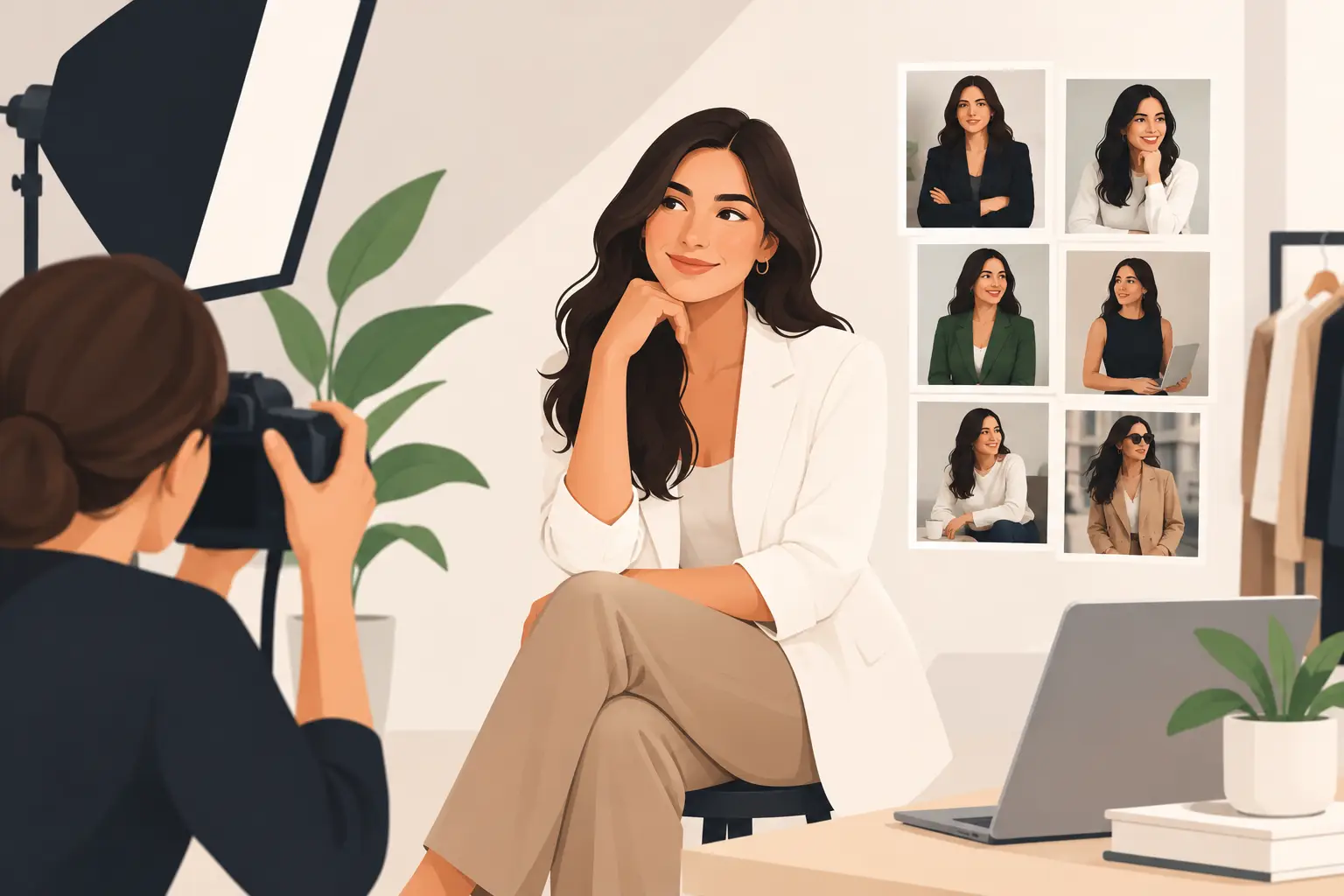
A photoshoot has greater value when it supplies more than one favorite headshot. Plan for a mix of close portraits, horizontal compositions, vertical images, detail shots, and a few natural working or lifestyle moments. Variety gives you visual material for different platforms while keeping the overall identity consistent.
Once you receive your images, use them with intention. Start with the places where new clients form an immediate impression, then refresh secondary profiles, bios, and announcements over time. Repetition helps recognition, but you do not need to post every image at once. Let your photographs become a visual thread that supports your voice and your work.
The most memorable personal brand is not built by looking flawless. It is built by showing up with clarity, care, and a visual presence that gives people a reason to trust what they see.