About the author : bbmemesalon@gmail.com

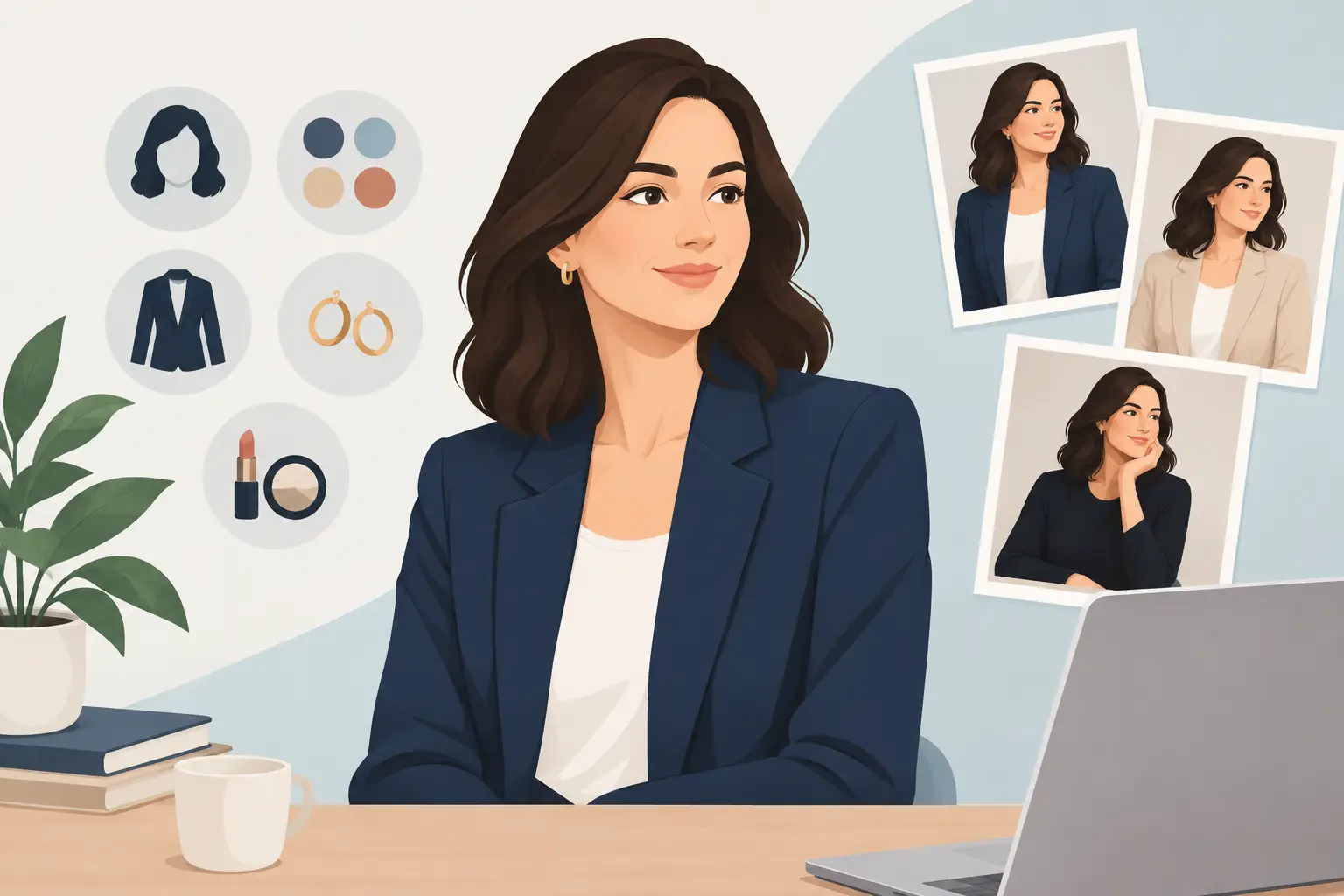
A beautiful image rarely begins when the camera comes out. It begins with the way your haircut frames your face, the finish of your skin, the color story in your outfit, and the details that help you feel entirely like yourself. This image styling guide is designed for the moments when presentation matters – from a professional headshot or branding session to a wedding, milestone dinner, or simply a season when you want your look to feel more intentional.
The goal is not to become someone else for the camera. It is to create a cohesive version of your personal style, with enough refinement to hold up in person and in photographs. When each element is considered together, the result feels effortless, even though there is thoughtful artistry behind it.
Start With the Story You Want Your Image to Tell
Before choosing a hairstyle or booking a facial, identify the purpose of the image. A corporate portrait, a bridal photo, and a creative personal branding session can all be polished, but they need different energy. The strongest styling choices begin with a clear point of view.
For a professional image, you may want confidence, warmth, and clarity. Clean lines, healthy hair with controlled movement, and colors that complement your complexion often read well. For a celebration, you may prefer more softness, shine, or a little drama. For a creative shoot, there can be more room for texture, bolder color, and fashion-forward shape.
Think in a few descriptive words rather than copying a single reference photo. Refined and approachable. Modern and romantic. Artistic and tailored. These words help guide decisions when hair, wardrobe, nails, and photography all need to work as one visual language.
Build Your Look From Hair Outward
Hair carries remarkable visual weight in a photograph. It creates the outline around the face, catches light, and can shift the mood of an image from casual to editorial in minutes. That is why a great style is about more than whether your hair is worn up or down. It is about proportion, movement, condition, and longevity.
Choose Shape Before Trend
A current style can be inspiring, but it should still suit your features, hair density, event, and comfort level. A softly layered blowout may give fine hair lift and movement, while a sleek low bun can bring structure to a high-neck dress or a tailored suit. Loose waves photograph beautifully, yet they may not be the best choice for a windy Coronado ceremony or an outdoor San Diego event with humidity.
The right question is not, “What hairstyle is popular?” It is, “What shape supports the image I want to create?” An experienced stylist can translate that answer into a look that feels personal instead of costume-like.
Schedule Color With the Camera in Mind
Fresh color brings dimension to the face, but timing matters. If you are making a major change, avoid doing it immediately before an important event or portrait session. Give yourself room to live with the color and make subtle refinements if needed.
For camera-ready hair, dimension is often more flattering than a flat, single-tone result. That does not mean everyone needs dramatic highlights. A carefully placed gloss, soft balayage, richer lowlights, or a refined root blend can add depth that appears naturally luminous in photos. The best color should look considered in sunlight, indoor lighting, and close-up images.
Prioritize Hair Health
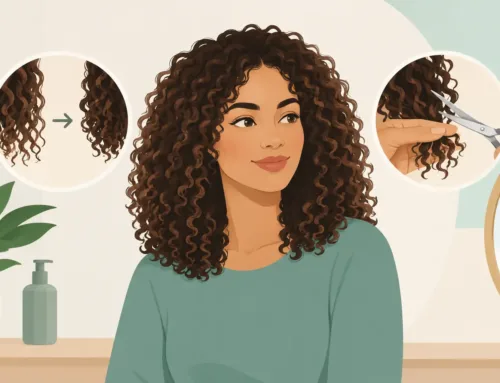
No amount of styling product can fully imitate the light reflection of healthy hair. A conditioning service, a precision trim, and the right home-care routine can make more difference than adding another complicated step on the day of the event.
If your hair is dry, overprocessed, or prone to frizz, plan ahead. A style can be adjusted to work with your natural texture, but last-minute repairs have limits. Beautiful image styling is not about forcing hair into submission. It is about preparing it so its best qualities show.
Let Skin and Nails Complete the Composition
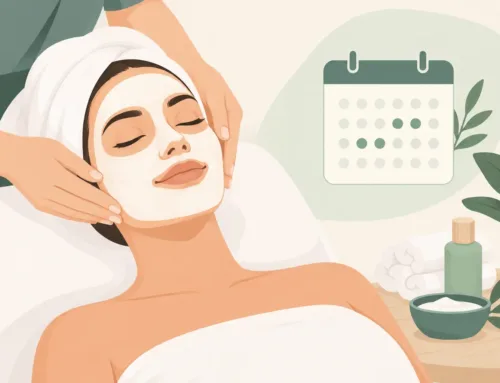
Skin and nails may seem like smaller details, but cameras notice finish. A well-prepared complexion looks more even under varied lighting, while polished nails create a sense of care in close-up gestures, bouquet shots, ring photos, and portraits where your hands are visible.
A facial before an occasion should be timed thoughtfully. If you are trying a new treatment or have sensitive skin, do not schedule it the day before a major event. Give your complexion time to settle. For many clients, a gentle, hydrating approach in the days leading up to an occasion is more dependable than an aggressive treatment that risks redness or irritation.
For nails, choose a shape and shade that support the wider look. Sheer neutrals, soft pinks, and classic reds remain popular because they photograph cleanly across many settings. Yet a deep espresso, modern chrome, or unexpected color can be striking when it is intentional and coordinated with your wardrobe. The trade-off is that trend-forward nails can date a photograph more quickly, while timeless shades offer greater versatility.
Dress for Balance, Not Perfection
Wardrobe should support your face and expression rather than compete with them. This is especially true for portraits, where clothing appears in every frame but your eyes should still hold attention.
Solid colors and subtle texture usually photograph more easily than tiny prints or logos. Rich neutrals, jewel tones, muted pastels, and colors that flatter your undertone can add depth without distraction. If you love a print, choose one with enough scale to read clearly from a distance and avoid patterns so busy that they create visual noise on camera.
Necklines matter more than many people expect. A neckline frames the lower face much like a haircut frames the upper face. A V-neck can lengthen the silhouette, while a crew neck can feel modern and composed. Off-the-shoulder styles place more emphasis on the collarbone and hairstyle. There is no universal best option, because posture, comfort, body shape, and the intended mood all matter.
Bring accessories into the plan early. Jewelry, shoes, a jacket, or a veil should not be afterthoughts. If the earrings are a statement, your hair may need to be tucked, swept up, or styled with intentional asymmetry. If the outfit has a dramatic shoulder or neckline, a simpler hairstyle may create more balance.
Plan for Lighting, Movement, and Real Life
A look that photographs well is not always a look that performs well over several hours. This is where professional preparation makes the difference between a style that looks beautiful at the start and one that continues to feel composed through hugs, weather, dancing, and changing light.
Share the details of your day with your stylist. Will you be outside? Is there a ceremony before photographs? Do you need to wear a hat, change outfits, or travel between locations? Are you comfortable with hair around your face, or will that become frustrating after twenty minutes? These practical details shape the styling plan.
The same principle applies to makeup-adjacent beauty preparation. Hydrated skin, groomed brows, and balanced features provide a polished base, but the finish should match the lighting. Daylight often benefits from a softer, more dimensional approach, while evening settings can support a little more definition. Flash photography may soften certain details and emphasize shine, so a camera test can be useful when the occasion is especially important.
Create a Timeline That Protects Your Results
The most relaxed image days are planned backward from the event. Major cuts or color changes belong weeks ahead, not the night before. Facials, nail appointments, wardrobe alterations, and styling trials need space on the calendar so the experience stays enjoyable.
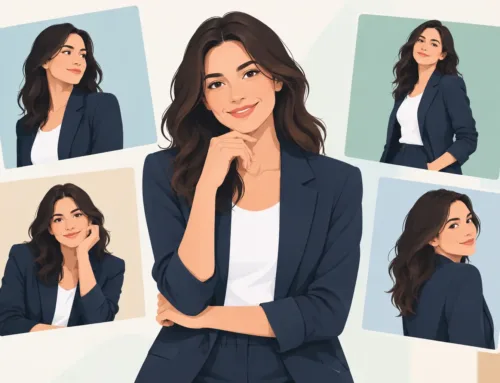
For weddings and significant portraits, a trial is particularly valuable. It lets you test how the hair looks from every angle, how it feels after an hour, and whether it suits the dress or outfit. A trial also gives your stylist insight into your preferences, hair behavior, and the level of polish you want. Bring reference images, but also bring honesty: say what you love, what feels unlike you, and what you are worried about.
At BB Meme Salon, total image creation is approached as a collaboration. The details are not treated as separate appointments competing for attention. They are considered as parts of one finished presence – crafted for the way you want to move through your moment and remember it afterward.
The Most Photogenic Choice Is Usually the Most Authentic One
There is a temptation to overcorrect for the camera: heavier styling, a more dramatic color change, an outfit that feels impressive but unfamiliar. Sometimes that choice is exactly right for an editorial concept. Often, though, the images people treasure most are the ones where they look unmistakably like themselves, just more rested, luminous, and assured.
Use this image styling guide as a framework, then leave room for instinct. Choose the hair that makes you stand taller, the color that brings life to your face, and the finishing details that let you stop thinking about your appearance once the moment begins. That ease is visible, and it is the kind of polish no camera filter can create.