About the author : bbmemesalon@gmail.com

A beauty photoshoot should never begin when the camera comes out. It begins with the feeling you want to recognize when you see the images later: poised, radiant, powerful, romantic, fresh, or unmistakably yourself. Learning how to plan a beauty photoshoot means translating that feeling into thoughtful choices around hair, skin, wardrobe, light, and timing.
The most memorable images have a point of view. They do not depend on a complicated concept or a completely different version of you. They reflect careful preparation, expert styling, and enough room to be present in the moment.
Begin With the Story You Want to Tell
Before choosing a hairstyle or saving inspiration images, define the purpose of the shoot. A bridal portrait session calls for a different approach than professional branding images, a birthday milestone, a creative editorial, or a personal celebration after a season of change. The purpose informs every decision that follows.
Ask yourself what you want the photographs to communicate at first glance. For professional portraits, that may be polished confidence and approachability. For a special occasion, it may be glamour with warmth. For a creative session, it could be an opportunity to explore color, texture, and a more expressive silhouette.
Choose three words that describe the final mood. Think “soft, luminous, modern” or “sculptural, confident, elegant.” These words are more useful than trying to copy one image exactly. They give your beauty team and photographer a shared creative direction while leaving room to design a look that suits your features.
Build Inspiration, Then Edit It
A small, edited collection of references is more valuable than a gallery of fifty unrelated images. Include examples of hair texture, makeup finish, wardrobe shape, poses, lighting, and overall energy. Notice what keeps appearing. Perhaps you are drawn to glossy waves, clean skin, black tailoring, or sunlit movement.
Bring references as a conversation starter, not a rigid instruction sheet. The model in an inspiration photo may have a different hair density, skin tone, face shape, or lighting setup. A skilled stylist can identify the element you love and reinterpret it in a way that feels more natural and flattering on you.
Plan Your Beauty Photoshoot Around the Light
Lighting has a powerful effect on color, complexion, and the finish of hair. Soft window light creates an intimate, fresh quality and is especially beautiful for skin-focused portraits. Direct sunlight can feel energetic and editorial but requires careful timing, because strong shadows reveal every detail. Studio lighting offers consistency and drama, making it a strong choice for branding, beauty close-ups, and more polished concepts.
Discuss the location and lighting plan before confirming your color and styling direction. Very warm light can shift blonde tones and makeup colors. A bright coastal setting may call for more definition around the eyes and a hairstyle that can hold its shape in a breeze. In San Diego, outdoor sessions also benefit from planning around the softer light near sunrise or late afternoon rather than the brightest part of the day.
Your wardrobe should work with the setting instead of competing with it. A simple neckline and a single rich color often photograph more beautifully than a busy pattern. If the focus is hair or makeup, avoid high collars, heavy logos, or accessories that distract from the face. Bring a second look if the schedule allows, but make sure each outfit supports the same visual story.
Schedule Hair, Skin, and Nails With Enough Time
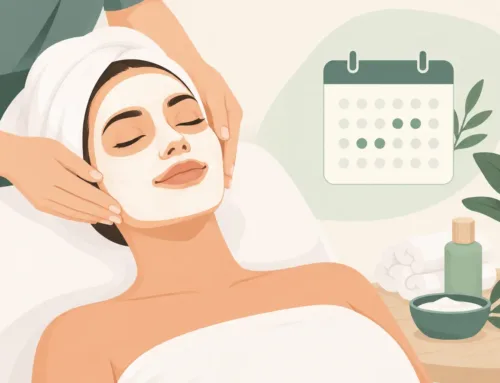
Great beauty preparation is not about doing everything at the last minute. It is about giving each service time to settle into its best result. If you are considering a significant haircut, new hair color, facial treatment, or brow change, schedule it ahead of your session. This leaves room for small refinements and removes the pressure of making a major decision the day before photographs.
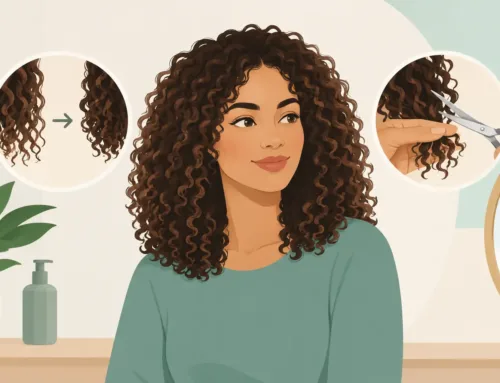
For hair color, timing depends on the service and the look you want. Fresh color can look luminous on camera, but a dramatic transformation may need more than one appointment to achieve dimension while preserving the condition of the hair. A gloss or tone refresh shortly before the shoot can add reflective shine without changing your overall look.
Facial services should be selected carefully. A familiar, gentle treatment can support a clear, hydrated appearance. Avoid trying an aggressive peel, new active ingredient, or unfamiliar procedure immediately before the shoot, especially if your skin is reactive. The goal is calm, comfortable skin, not a rushed attempt at perfection.
Nails matter more than many clients expect. Hands appear in close-up portraits, bouquet shots, product images, and natural gestures near the face. A clean manicure in a color that complements your wardrobe gives the entire image a finished quality. Neutral shades are versatile, while a deliberate statement color can be beautiful when it is part of the concept.
The Week of the Shoot
Keep your routine consistent. Prioritize sleep, hydration, and the skincare products your complexion already knows. Avoid experimenting with a new foundation, self-tanner, or hair product in the final days before the session.
Wash your hair according to your stylist’s guidance. Some looks hold best with freshly washed hair, while others benefit from a little natural texture. Arrive with a clean face unless your beauty professional has requested otherwise, and wear a button-front or wide-neck top so you do not disturb your finished hair when changing.
Design a Look That Still Feels Like You
The camera can handle more polish than daily life. Slightly stronger contour, more intentional lip color, or added definition through the eyes may read beautifully in photographs. Still, beauty styling should preserve your character. If you never wear a bold red lip, the photoshoot may not be the right moment to force one simply because it appears glamorous in a reference image.
Hair should also balance visual impact with comfort. Sleek styling, textured waves, a sculpted updo, or natural curls can all be photograph-ready when shaped with the right finish. Consider movement. Will you be walking, turning, outdoors, or changing outfits? A style that looks perfect seated in a salon chair may need additional structure for a windy location or a long session.
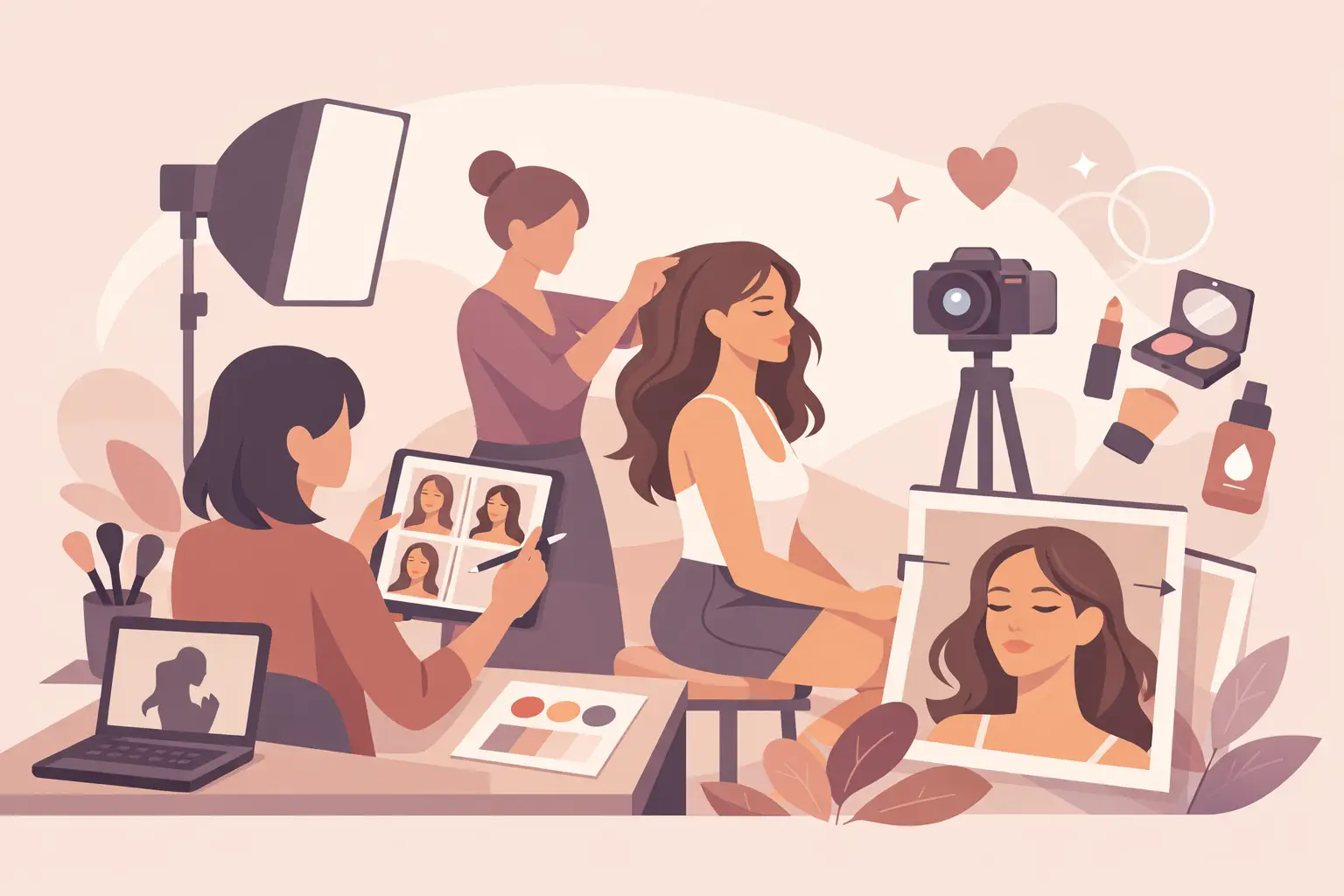
This is where coordinated image creation makes a meaningful difference. When hair, skin, nails, wardrobe, and photography are considered together, each element supports the others. At BB Meme Salon, that collaborative approach helps clients arrive camera-ready without trying to assemble a finished visual identity from separate appointments and last-minute decisions.
Create a Comfortable Shoot-Day Rhythm
Build more time into the schedule than you think you need. Beauty preparation often takes longer than expected when you include setting hair, changing outfits, adjusting accessories, and travel. Rushing is visible in photographs, while a calm pace gives you time to settle into your posture and expression.
Pack a small touch-up kit with lip color, blotting papers, a compact mirror, hairpins, and comfortable shoes for moving between locations. If you are shooting outdoors, bring water and a layer that can be removed just before the camera begins. These practical details protect the experience without interrupting the visual flow.
You do not need to arrive knowing how to pose. A good photographer will guide you, but it helps to think in movement rather than frozen positions. Shift your weight, turn your shoulder, let your hands rest naturally, and take a breath between frames. The strongest portraits often happen in the transition, when the expression softens and the styling begins to move.
Leave Room for the Unexpected
A beauty photoshoot is carefully planned, but it should not feel overcontrolled. Wind may lift the hair in an unexpectedly beautiful way. A change in light may reveal a more flattering backdrop. An accessory you almost left behind may become the detail that completes the look.
Preparation creates confidence, and confidence gives you freedom in front of the camera. Choose a concept that feels true, work with artists who understand your vision, and let the final images show not only how you looked that day, but how fully you inhabited the moment.