About the author : bbmemesalon@gmail.com

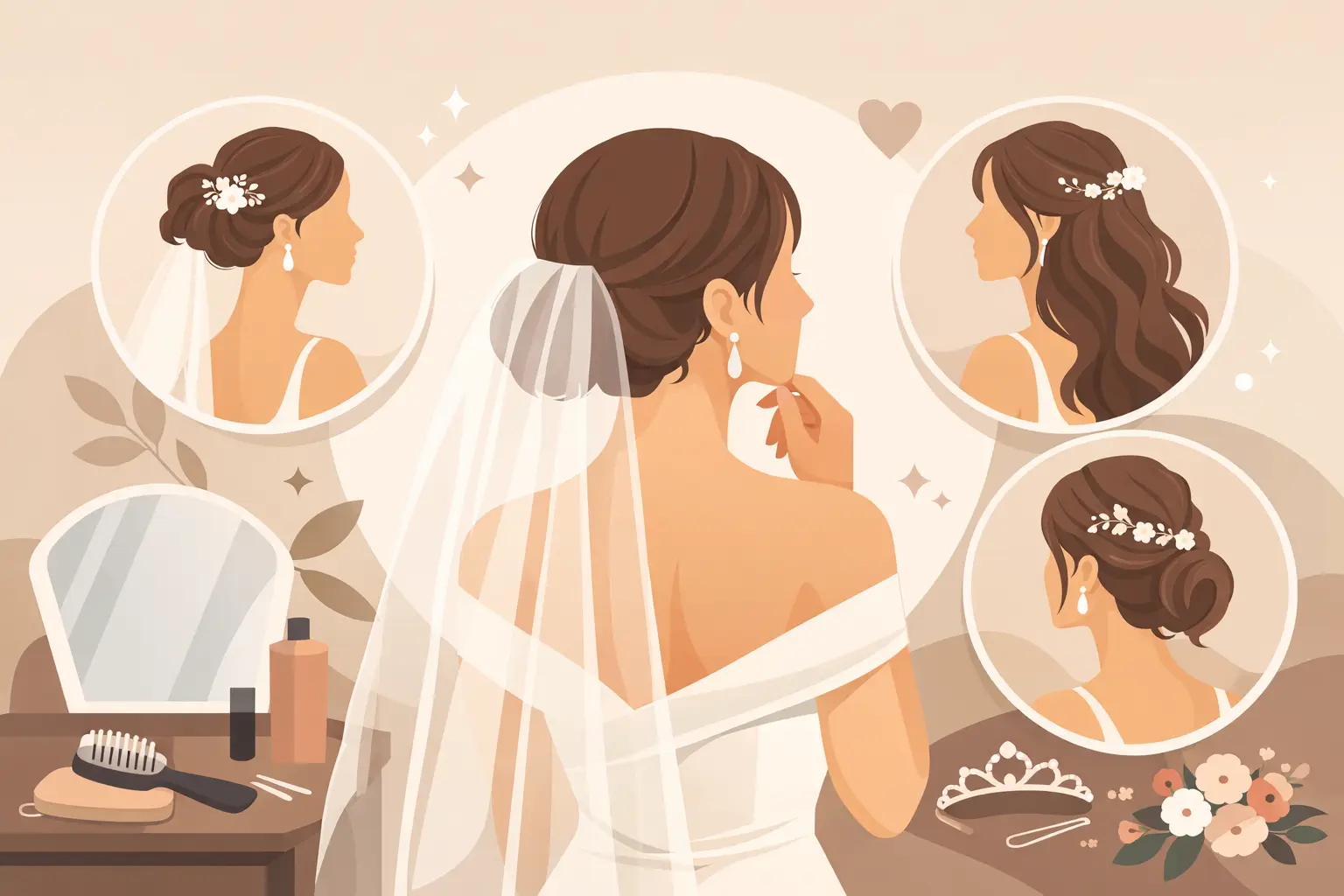
Your bridal hairstyle will be present in more than the walk down the aisle. It will frame every close-up, hold its shape through hugs and dancing, and become part of the visual memory of a day you have spent months shaping. Learning how to choose bridal hairstyle options begins with a simple shift in perspective: choose the look that supports your whole image, not just the one that looks beautiful in a single inspiration photo.
The most successful wedding hair feels intentional from every angle. It complements your dress, works with your natural texture, suits the setting, and still lets you recognize yourself in the mirror. That balance is where thoughtful styling becomes an experience of total image creation.
Begin With the Feeling of Your Wedding
Before deciding between an updo, soft waves, or a sleek ponytail, name the feeling you want the day to carry. A ceremony in Coronado with ocean air may call for a different level of structure than an intimate indoor celebration in Hillcrest. A dramatic satin gown, a garden dress with movement, and a tailored modern suit each ask for a different silhouette around the face and shoulders.
Rather than collecting dozens of unrelated images, choose a few that share a common mood. Perhaps your vision is refined and editorial, relaxed and romantic, or polished with a little edge. Your stylist can translate that mood into a hairstyle that is personal rather than copied.
Hair should also be considered alongside your ceremony, reception, and photographs. If you are changing outfits, wearing a veil, or planning portraits in bright coastal light, those details influence how much hold, shine, and movement your style needs. A look that feels effortless often has a great deal of deliberate preparation behind it.
How to Choose a Bridal Hairstyle for Your Dress
Your neckline is one of the clearest guides. It determines how much space you have around your shoulders, collarbone, and back, and whether your hair should create contrast or continue the gown’s line.
Strapless, sweetheart, and off-the-shoulder dresses often pair beautifully with hair worn down or half-up, especially when you want softness around the shoulders. This is not a rule, however. A clean chignon can make the same neckline feel more fashion-forward and reveal elegant jewelry or a sculptural bodice.
High necklines and detailed backs frequently benefit from an updo or a style that is swept to one side. Letting the dress remain visible can create a more balanced photograph and prevent the overall look from feeling overly busy. With a minimalist gown, you may have more room for a statement braid, glossy wave pattern, or polished ponytail.
Consider the gown’s fabric as well. Airy tulle and lace tend to harmonize with texture and softness. Crepe, silk, and satin can carry a cleaner, more defined finish. The goal is not to match every detail literally, but to make the hair and dress feel as though they belong in the same visual story.
Work With Your Natural Hair, Not Against It
A bridal hairstyle should be ambitious enough for the occasion and realistic enough to last. Your natural density, length, curl pattern, and color dimension all affect what can be achieved comfortably and securely.
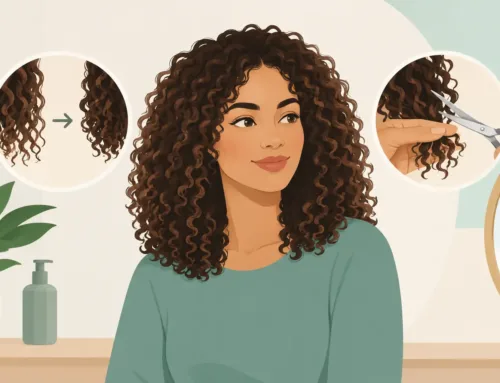
Fine hair can create beautiful volume with the right preparation, placement, and supportive pieces, but an oversized updo may require extensions or a more edited design. Thick or textured hair can hold a striking shape, yet may need thoughtful weight distribution so it remains comfortable for hours. Naturally curly hair does not need to be transformed into something unrecognizable. A stylist can define and shape curls into a bridal finish that celebrates their character.
Color also matters in photographs. Highlights, balayage, and dimensional color can make braids, twists, and waves appear especially intricate. A smooth dark finish can look remarkably elegant in a low bun or glossy Hollywood-inspired wave. If you are planning a color change before the wedding, allow time for a consultation and refinement well before the final week.
Bring honesty to your consultation. Share how your hair behaves in humidity, whether it drops quickly after curling, how sensitive your scalp is to pins, and how you usually feel when your hair is fully pulled back. Those details are more valuable than promising a style you do not actually enjoy wearing.
Think in Terms of Structure and Movement
Bridal hair generally sits somewhere between structured and soft. A structured style, such as a sleek low bun or sculpted French twist, tends to photograph with clarity and stay composed through a long day. It can feel modern, elegant, and especially effective with architectural dresses or strong accessories.
Softer styles, including brushed waves, loose pinned curls, and textured half-up designs, create movement and romance. They are ideal when you want a more natural presence, but they require a realistic conversation about longevity. Heat, wind, dancing, and a veil can change a soft style over time. That does not make it the wrong choice. It simply means defining what a beautiful lived-in version of the style should look like later in the evening.
A middle ground is often the answer: a secured base with softness around the face, or waves that are partially anchored so they retain their shape. This approach can deliver both comfort and a camera-ready finish.
Choose Accessories Early Enough to Test Them
Veils, combs, clips, fresh flowers, and headbands are not afterthoughts. They affect the placement, stability, and proportions of your hairstyle. A heavy veil may need an anchor that is built into an updo. A statement comb can become the focal point of a simple style. A delicate accessory may disappear if it is placed against heavily textured hair.
Bring your actual accessories to your bridal trial whenever possible. Your stylist can test how they sit, identify whether they catch on hair, and find a position that looks beautiful in profile as well as from the front. If you plan to remove a veil after the ceremony, ask what the hairstyle will look like once it is gone. The transition should feel considered, not like a piece of the look has suddenly vanished.
Make the Bridal Trial a Creative Collaboration
A bridal trial is where inspiration becomes a wearable plan. Arrive with photos of your dress, accessories, makeup direction, and a focused selection of hairstyle references. It is useful to include a few images of what you do not want, too. Saying that you dislike a tight crown, overly perfect curls, or too much volume helps your stylist narrow the direction quickly.
Wear a top with a neckline similar to your gown and take photographs in natural light, indoor light, and from behind. Move your head. Smile. Sit down. Notice whether the style feels secure without feeling restrictive. The best trial result is not necessarily the first finished version. It may come after adjusting the part, lowering the bun, softening the front pieces, or simplifying an accessory.
At BB Meme Salon, bridal styling can be approached as part of a coordinated image, with attention to hair, skin, nails, and the photo-ready details that bring a wedding look into focus. That broader perspective is especially valuable when you want every element to feel connected without appearing overly styled.
Plan for the Real Conditions of the Day
San Diego weddings can involve bright sun, coastal breeze, warm afternoons, and transitions between indoor and outdoor spaces. Your hairstyle should be designed for the conditions you will actually experience, not only for the first portrait taken after styling.
Tell your stylist the ceremony time, venue setting, and whether you will be outside for photos. If the forecast is warm or windy, a style with secure foundations may offer more peace of mind than fully loose hair. If you love hair down, strategic pinning and the right finishing products can preserve movement while keeping it away from your face.
Build enough time into the wedding morning for styling without rushing. Hair that is done under pressure can feel different from hair that is created with space for final adjustments. Keep a small touch-up plan with your wedding party, but do not expect yourself to manage the entire style. Your job is to be present.
When choosing your bridal hair, let the final decision be guided by confidence. The right style will photograph beautifully, but more importantly, it will allow you to laugh, embrace, dance, and look toward the people you love without wondering whether you should fix it. That ease is its own kind of beauty.