About the author : bbmemesalon@gmail.com

A flattering color rarely begins with a photo of someone else’s hair. It begins with the way you want to feel when you catch your reflection: brighter, more refined, more expressive, or ready for the camera without looking like you tried too hard. Professional hair coloring is the craft of translating that feeling into dimension, tone, placement, and a maintenance plan that fits your real life.
For San Diego clients, color also has to perform in strong daylight, coastal air, busy workweeks, dinners out, and milestone photographs. The most beautiful result is not simply the lightest blonde, the deepest brunette, or the boldest red. It is color that feels intentional on you.
Hair Coloring Starts With Your Whole Image
A color consultation should look beyond the shade chart. Skin undertone, eye color, natural base, haircut, texture, daily styling habits, and wardrobe all influence what will feel harmonious. So does the role your hair needs to play. Color for a bride, a professional headshot, a birthday celebration, or a personal reset may call for different levels of contrast and drama.
This is where artistic direction matters. A soft, dimensional brunette can make features appear more sculpted in photographs. A warm, luminous blonde may bring softness to a complexion, while a cool tone can create a sharper editorial effect. Neither direction is universally better. The right choice depends on your features, your personal style, and whether you want your hair to whisper or make an entrance.
Your stylist should also ask practical questions. How often do you want to return to the salon? Do you heat-style every day? Are you growing out previous color, covering gray, or making a major change? The answers shape the color plan just as much as the inspiration image.
Choosing Dimension Over a Flat Shade
One-process color has its place, especially when the goal is rich coverage, a refined natural tone, or a polished reset. But hair often looks more luxurious when it contains a considered range of light and depth. Dimension allows color to move with the haircut and respond beautifully to light.
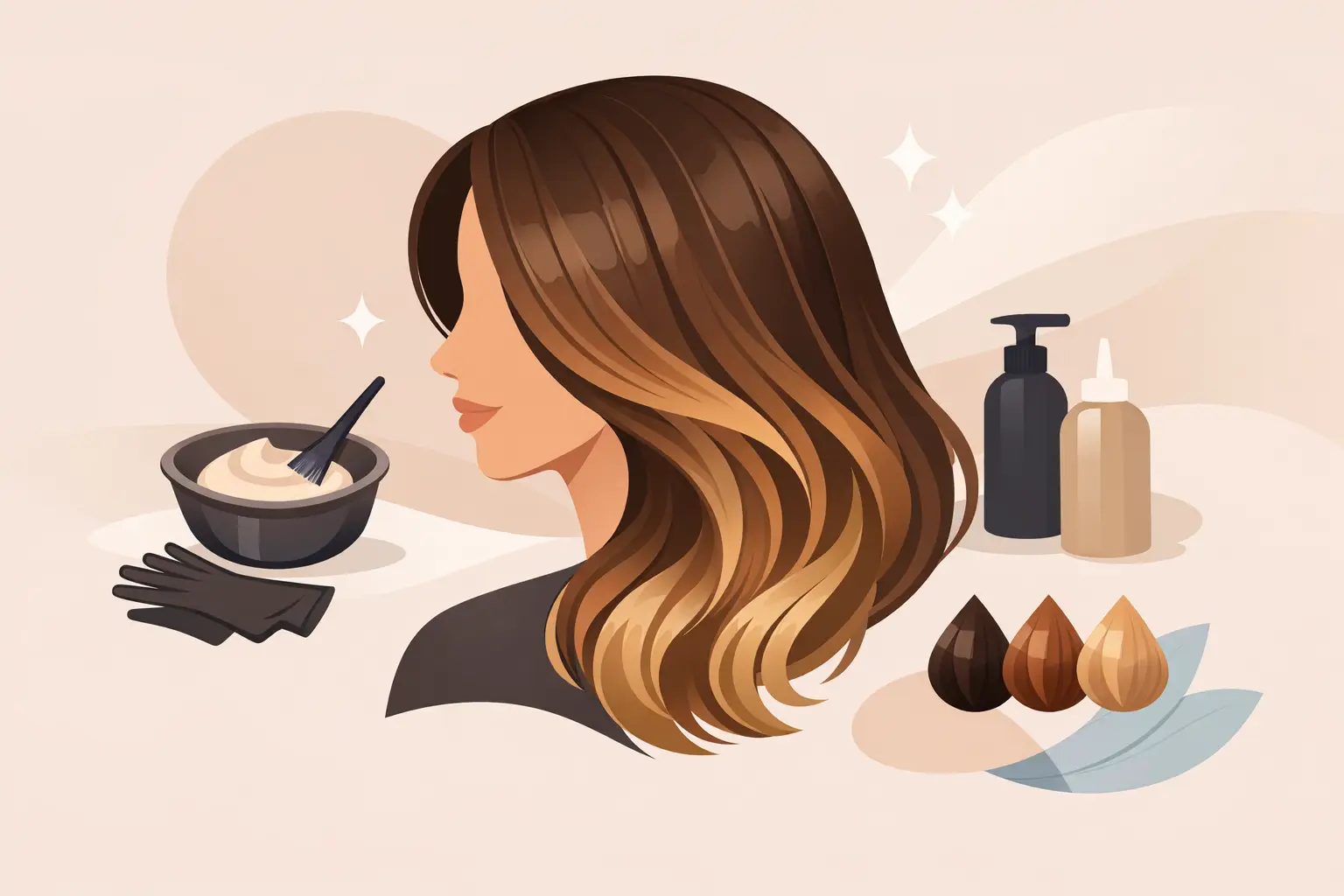
Highlights, lowlights, balayage-inspired painting, face-framing brightness, and glossing can all create dimension. They are not interchangeable techniques, and the name matters less than the finished effect. Fine, carefully placed brightness can give a natural sun-touched finish. Stronger ribbons of contrast can create a more fashion-forward look. Lowlights may be the answer when overly lightened hair needs depth again.
The goal is not to add every technique to one appointment. Too much contrast or too many competing tones can distract from the face. Thoughtful placement creates a result that looks elevated even when your hair is simply air-dried, pulled back, or styled for an evening out.
The Face Frame Has an Outsized Effect
The hair around the face is where color is most immediately noticed. A delicate shift in brightness can make the complexion look more awake. A deeper root or softer transition can make a blonding service feel more lived-in and easier to maintain.
For clients who want a visible change without committing to an all-over transformation, the face frame is often a smart place to begin. It can refresh the overall image while preserving depth through the rest of the hair. For a special event, it also gives curls, waves, and updos more visual definition in photographs.
Tone Is What Makes Color Feel Expensive
Tone is the character beneath the color: golden, beige, honey, copper, neutral, ash, chocolate, mahogany, and countless nuanced variations in between. Two people may both call themselves blonde, yet one wears a creamy, warm finish and the other a smoky, cool finish. The difference is significant.
A tone that works with your complexion tends to look effortless. A tone that fights it can make the hair appear separate from the rest of your image, even when the technical work is strong. This is why an experienced stylist may recommend a slight adjustment to a saved inspiration photo rather than copying it exactly.
Warmth is not a mistake, and coolness is not automatically more sophisticated. Both can be beautiful when they are selected with purpose. Very cool tones sometimes require more frequent toning and careful at-home care, particularly on lightened hair. Warmer tones can be more forgiving between visits, but may need refinement if brassiness is not the desired look. Honest conversation about upkeep creates better expectations and better color.
Plan for the Appointment After the Appointment
The longevity of hair coloring depends on the service, your starting point, and your routine. Gray coverage or a solid root color generally asks for a more regular schedule than a softly blended balayage. A dramatic move from dark to light may take several appointments to protect the integrity of the hair. This is not a limitation of artistry. It is professional care.
Healthy hair reflects light more evenly, holds tone more beautifully, and styles with more polish. If your hair has a history of heavy lightening, at-home coloring, heat damage, or chemical services, the most beautiful route may be gradual. A stylist may prioritize conditioning, bond-supporting care, a gloss, or a lower-contrast transition before pursuing a major lift.
At home, use color-conscious shampoo and conditioner, avoid excessively hot water, and protect hair before heat styling. Sun, pool water, and frequent washing can all alter tone, especially for blondes, reds, and fashion shades. If you spend time outdoors or move between the beach and city often, ask for a care routine that matches that lifestyle rather than a generic product recommendation.
Glosses Are a Quiet Luxury
A gloss can refresh tone, increase shine, soften unwanted warmth, or add richness without committing to a major color change. It is one of the most useful services for clients who love their overall shade but want it to look newly finished again.
Glossing is also valuable before an event or photography session. When hair has light reflection and tonal harmony, it reads as healthy and intentional on camera. Pairing color with a fresh cut, conditioning service, or special-occasion styling creates a more complete visual result than treating each service as separate maintenance.
Bring Inspiration, Then Leave Room for Interpretation
Inspiration photos are helpful when they show the mood you are drawn to: soft contrast, bright ends, a brunette veil of warmth, a bold copper statement. Bring several images if possible, including examples of what you do not want. This gives your stylist a clearer picture of your taste.
Still, the best color plan is not a copy-and-paste request. The person in the photo may have a different natural level, density, texture, facial structure, and styling routine. A skilled consultation translates the feeling of the image into a custom result that suits your hair and can be maintained with confidence.
Be open about your color history. Box dye, previous black color, henna, corrective work, and recent chemical treatments can affect timing and results. There is no benefit in hiding it. Clear information helps your stylist protect your hair and map out the safest, most beautiful path forward.
Color for Celebrations, Photography, and Everyday Confidence
For weddings, engagement sessions, professional portraits, and special occasions, timing matters. Major color changes should not be left to the final few days before an event. A trial period gives you time to see the tone in natural light, make adjustments if needed, and settle into the look. A gloss or subtle refresh closer to the date can then provide the finished, photo-ready touch.
Everyday color deserves that same level of thoughtfulness. You do not need a major occasion to choose hair that reflects who you are becoming. At BB Meme Salon, color can be part of a larger image-creation experience, coordinated with styling, skin, nails, and photography when the moment calls for it.
Choose color that gives you ease as well as impact. When your shade, placement, and care plan are designed around your life, the result does more than look beautiful leaving the salon. It continues to feel like you as you move through every room, every photograph, and every next chapter.