About the author : bbmemesalon@gmail.com

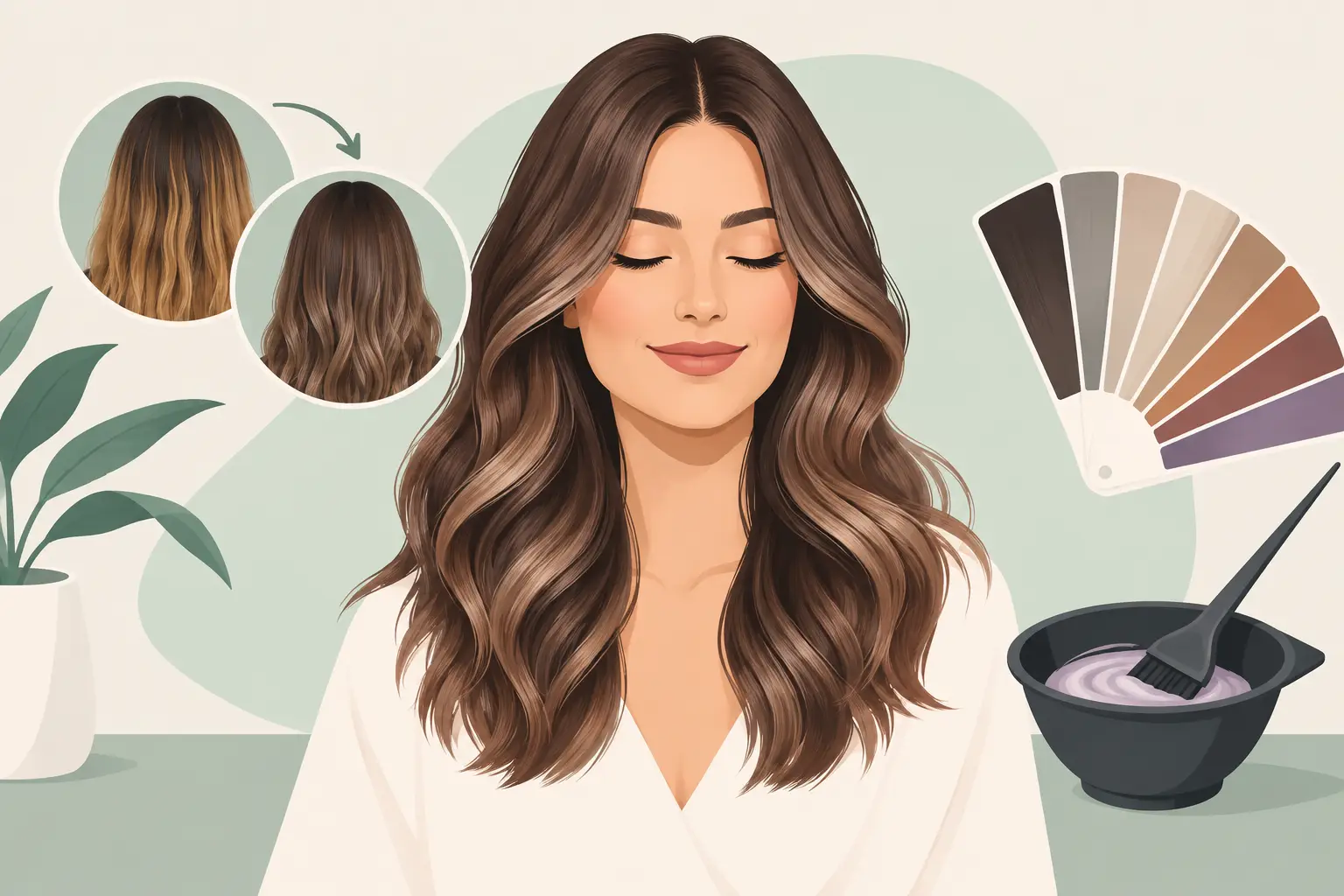
A hair color appointment can feel exciting right up until you see brass where you expected beige, bands where you hoped for a blend, or a shade that simply does not reflect you. Color correction is the thoughtful, highly customized process of bringing hair back into balance – not by chasing a quick fix, but by creating a realistic path toward a more polished, wearable result.
For some guests, that means softening an overly dark box color. For others, it means refining highlights that turned too warm, blending uneven sections, or moving from a dramatic shade into something more dimensional and natural-looking. The best correction begins with an honest assessment of where your hair is now, where you want it to go, and what it can comfortably handle.
What Color Correction Really Means
Color correction is not one single salon service. It is a category of work that addresses unwanted pigment, uneven placement, overprocessed areas, faded fashion colors, or a result that no longer suits your style. Because every color history is different, the process can range from a focused gloss appointment to a series of carefully planned sessions.
Hair color has layers. A deep brunette formula, old highlights, mineral buildup, sun exposure, and an at-home toner can all affect the way new color develops. What looks like one shade in the mirror may contain several underlying tones. An experienced stylist reads those details before choosing how to proceed.
That is why a correction should never be approached as a color emergency with one universal answer. The goal is not simply to make hair lighter, darker, cooler, or warmer. It is to create harmony between your hair’s condition, your skin tone, your lifestyle, and the visual impression you want to make.
When a Color Correction Appointment Makes Sense
You may need a correction when your hair feels visually disconnected from your intention. Perhaps blonde highlights have become yellow or orange, gray coverage has grabbed too dark at the roots, or an old red tone keeps resurfacing through your brunette color. Sometimes the concern is more about placement than tone: visible lines, patchy brightness, or ends that appear much darker or lighter than the rest of the hair.
A consultation is especially valuable after at-home color, frequent color changes, or a previous lightening service that left the hair fragile. Bring clear photos of your current hair in natural light and inspiration images that show the direction you love. These references give your stylist a starting point, but the final plan should be tailored to your own density, texture, porosity, and history.
It also helps to share the full story, even if it feels complicated. Mention box dye, glosses, henna, color-depositing conditioners, chlorine exposure, and any recent chemical service. This information is not about judgment. It gives your stylist the clearest possible picture of how your hair may respond.
The Difference Between a Refresh and a Correction
A refresh usually maintains a beautiful foundation. Think root retouching, a toner for lived-in highlights, or a gloss that restores shine and richness. A correction solves an imbalance that cannot be addressed with routine maintenance alone.
The line between the two can be subtle. A slightly warm blonde may only need a tonal adjustment, while orange bands caused by uneven lifting may require more detailed work. During a professional consultation, your stylist can explain whether your ideal result is realistic in one visit or better achieved gradually.
Why Patience Protects the Beauty of Your Hair
The most requested correction is often a move from very dark color to a lighter, softer result. This can be possible, but it is rarely as simple as applying blonde color over brunette hair. Artificial pigment must be lifted or shifted with care, and the warmth underneath needs to be controlled without compromising the integrity of the hair.
There are times when a single appointment can create a meaningful transformation. There are also times when two or more sessions are the more beautiful choice. A gradual plan can preserve strength, improve tonal consistency, and give the stylist room to refine the result instead of pushing the hair beyond its comfort zone.
This is where artistry and restraint matter equally. Healthy hair reflects light more elegantly, holds a finish better, and photographs with greater dimension. Hair that has been rushed may look lighter for a moment, but dryness, breakage, and uneven tone can quickly take away from the effect.
A skilled stylist may recommend a bond-supporting treatment, a reshaped haircut, or a temporary tonal direction while your hair recovers. These are not detours from your goal. They are part of crafting a result that looks refined from every angle, not only in the first mirror check.
The Consultation: Your Color Blueprint
A strong color consultation is both technical and personal. It should include an assessment of your natural level, existing color, hair texture, elasticity, and porosity. Your stylist may perform a strand test when there is uncertainty around previous color or when the desired change is significant. That small step can reveal how the hair lifts and help prevent unnecessary surprises.
The personal side matters just as much. Do you want low-maintenance softness or a brighter, more editorial finish? Are you preparing for a wedding, a milestone birthday, a professional headshot, or a new season of life? Do you wear your hair smooth, textured, or frequently heat styled? The right color plan should work with the way you actually live.
At BB Meme Salon, color is considered within a larger vision of total image creation. A correction is an opportunity to rethink not only the shade itself, but also the haircut, finish, and overall presentation. When hair is intended for a special occasion or photography, subtle decisions about brightness around the face and depth through the interior can make a meaningful difference on camera.
Questions Worth Asking Before You Begin
Ask what can be achieved in the first session, what may take additional appointments, and how your hair’s condition shapes the plan. You should also understand the maintenance involved. A cool, bright blonde may require more frequent toning than a warm, dimensional blonde. A rich brunette may be easier to maintain, but repeated dark color can make future lightening more complex.
There is no universally better choice. The right direction depends on your desired look, schedule, budget, and willingness to maintain it. The most successful correction is one you can enjoy long after you leave the salon.
Caring for Corrected Hair at Home
Professional work is the beginning of the transformation, not the end. Corrected hair benefits from a thoughtful home routine that supports tone, moisture, and shine. Your stylist can recommend products based on your specific finish, but gentle cleansing, heat protection, and conditioning are usually central to preserving the result.
Avoid washing with very hot water, which can fade a fresh toner and leave the hair feeling dry. If your color is cool-toned, a purple or blue shampoo may be helpful, but only when used as directed. Overusing highly pigmented shampoo can leave porous areas dull or slightly tinted. For many guests, alternating it with a moisturizing shampoo is the better balance.
If mineral-heavy water affects your hair, speak with your stylist before trying clarifying products at home. While buildup can create dullness or unwanted warmth, overly frequent clarification may also strip a fresh finish. Small choices, made consistently, help color remain luminous between appointments.
A Better Way to Think About Your Next Color
The most beautiful color correction does not always announce itself as a dramatic rescue. Often, it looks like hair finally makes sense: the blonde is clean rather than brassy, the brunette has depth rather than heaviness, and the overall tone complements your features with ease.
Give the process the time, transparency, and professional care it deserves. When color is approached as a tailored creative service rather than a one-step correction, the result can feel less like repairing a mistake and more like returning to the version of yourself you were trying to express all along.