About the author : bbmemesalon@gmail.com

Thick hair has presence. It can hold a beautiful shape, create dramatic movement, and make a style look full in every photograph. It can also feel heavy, expand in coastal humidity, and turn a simple trim into a shape that sits wider than intended. The best haircuts for thick hair do not simply remove length. They create balance, movement, and a silhouette that feels intentional from the salon chair to your everyday routine.
A great cut begins with an honest look at how your hair behaves. Density, strand texture, natural wave pattern, face shape, and styling habits all matter. The goal is not to make thick hair look smaller. It is to place its volume where it feels most flattering and effortless.
What Makes a Thick-Hair Cut Work
With thick hair, shape is everything. A blunt cut can look sophisticated and editorial, but too much weight at one length may create a triangular effect, especially on hair with wave or curl. Too many short layers, on the other hand, can create unwanted lift and leave the hair looking fuller at the crown and sides.
An experienced stylist considers where weight needs to stay and where it can be released. Internal layers, carefully placed face-framing pieces, subtle texturizing, and a precise perimeter all contribute to a haircut that feels lighter without sacrificing the luxurious fullness that makes thick hair so striking.
It also depends on your finish. If you love a polished blowout, a rounded shape may give you that glossy, elevated result. If your hair air-dries with texture, longer layers and a softer perimeter can encourage more natural movement. For a photo-ready style, the haircut should still look beautiful from every angle, not only straight on.
Best Haircuts for Thick Hair
Long layers with a soft perimeter
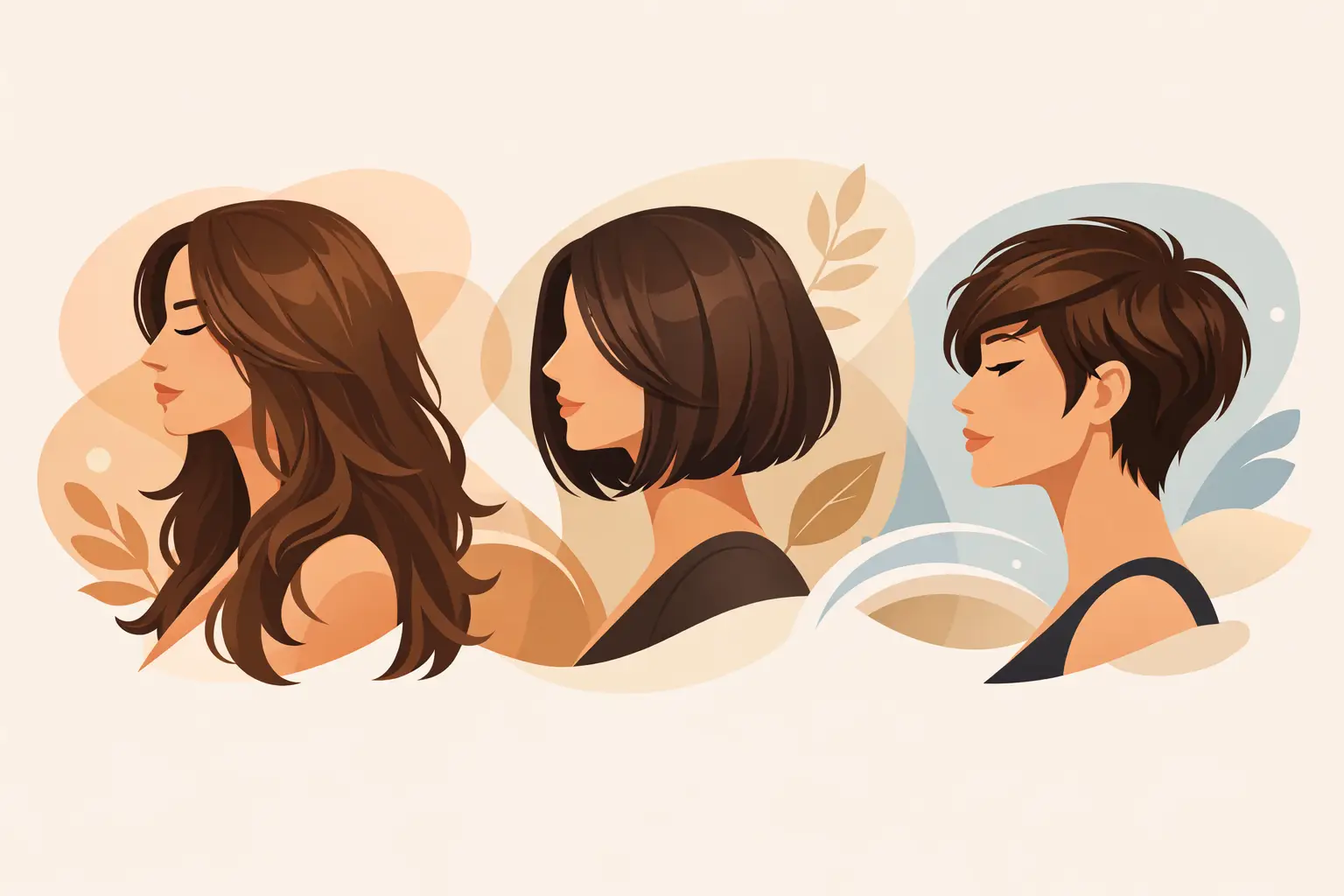
Long layers are a classic choice for thick hair because they preserve length while breaking up density. The most flattering version is not a collection of obvious shelves. It is a fluid shape, with layers that begin around the collarbone or below and blend naturally through the ends.
This cut is especially lovely for clients who want glamorous waves, a smooth blowout, or a versatile style for special occasions. Keeping the perimeter soft rather than overly blunt prevents the ends from looking too heavy. It offers movement without asking you to give up the drama of long hair.
The butterfly cut
The butterfly cut gives thick hair an airy, sculpted quality. Shorter layers around the face create lift and frame the cheekbones, while longer layers maintain the appearance of length through the back. When styled with a round brush or large curling iron, the result has softness, volume, and a distinctly polished finish.
This cut works best for hair that is medium to long in length. It can be a beautiful choice if you enjoy styling, but the shorter layers may require more attention than one-length hair. A thoughtful consultation helps determine how high the face-framing layers should begin so they complement your features rather than adding unnecessary width.
The modern shag
A modern shag is ideal for thick hair with wave, curl, or an appetite for texture. Unlike the sharp, heavily razored shags of past decades, a current version can be customized to feel soft, refined, and wearable. Its layered structure releases bulk while allowing natural texture to become part of the design.
For thick hair, the key is restraint. The right amount of layering creates movement, but too much can make the style feel overly expanded. A longer shag with curtain bangs is often a flattering starting point for clients who want personality without committing to a short cut.
A textured lob
A lob, or long bob, offers a clean and confident silhouette while remaining easy to style. For thick hair, a collarbone-skimming lob with subtle internal weight removal can feel especially modern. It has enough length to tuck behind the ears, wear half-up, or wave for an evening event, yet it feels lighter and more directional than long hair.
Ask for texture that is built into the cut rather than heavily thinned ends. The goal is a graceful line with movement, not wispy pieces that disappear when the hair is styled. This is a strong option for professionals and creatives who want a polished everyday shape with an editorial edge.
The Italian bob
The Italian bob is full, softly shaped, and undeniably chic. Usually landing between the chin and shoulders, it celebrates thickness instead of fighting it. The difference lies in the cut’s proportions: slight internal layering and a carefully designed curve allow the bob to sit close to the neck while retaining its lushness.
This look suits clients who enjoy a deliberate finish, whether that means a smooth blowout, a deep side part, or soft bends through the ends. If your hair is very coarse or highly textured, the length and weight distribution should be personalized so the style does not become too boxy.
A French bob with controlled volume
A French bob is shorter, often landing near the jawline, and can be beautifully expressive on thick hair. It looks especially striking with natural wave, a soft fringe, or a slightly undone finish. Because this shape exposes the neck and jawline, it creates a strong visual statement with minimal effort.
The trade-off is maintenance. Shorter cuts need regular reshaping to keep their precision, and a fringe requires consideration of cowlicks, humidity, and how much daily styling you enjoy. When it is tailored well, however, this haircut turns thick hair into a signature feature.
The bixie
A bixie blends the softness of a pixie with the versatility of a bob. It can remove substantial weight from thick hair while keeping enough length around the face for movement and styling options. The result is fresh, refined, and surprisingly versatile, especially when the top is left long enough to sweep to one side or create a textured finish.
This is not a one-size-fits-all cut. Thick hair can make a bixie look incredibly full, so the interior must be shaped with care. For clients ready for a confident change, it offers a light, modern silhouette that photographs beautifully.
A long pixie with an undercut option
For maximum freedom from weight, a long pixie can be transformative. Longer pieces on top retain softness and allow for a sleek, sculptural finish, while shorter sides and back create clean lines. An optional hidden undercut can remove density where it is most noticeable without changing the overall appearance of the style.
An undercut is particularly useful when hair feels hot, bulky, or difficult to control at the nape. It is a personal choice, though. As it grows out, it will need patience and regular shaping, so it is best for someone who is comfortable maintaining a shorter haircut.
Rounded layers for naturally curly thick hair
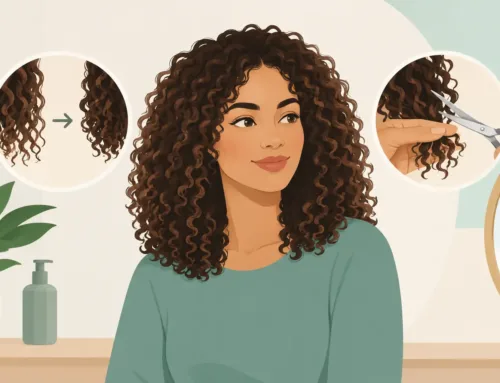
Thick curls need a different conversation. The priority is not thinning every section but creating a balanced, rounded silhouette that allows curls to spring into their best shape. Dry cutting or curl-by-curl refinement can help a stylist see how each area lives naturally before removing weight.
Avoid a blunt, one-length cut if your curls tend to build width at the bottom. Strategic layers can distribute volume more evenly, lift the crown, and keep the overall shape from feeling dense. The ideal result is full but controlled, with definition that feels soft rather than overworked.
Details That Change the Entire Result
Bangs can make a thick-hair haircut feel completely new. Curtain bangs blend easily into layered cuts and offer softness around the face. A fuller fringe can be dramatic and sophisticated, but it needs enough density removed beneath it to avoid feeling too heavy. Wispy bangs may not always be practical for very thick hair because they can separate or lose their intended shape in humidity.
Color placement can also emphasize the movement created by the cut. Dimensional highlights, lived-in brightness, or a carefully placed face frame can make layers more visible and give a blowout added depth. The haircut and color should work together, particularly when your goal is a cohesive look for a wedding, professional portrait, or milestone celebration.
How to Ask for the Right Cut
Bring photos, but use them as a conversation starter rather than a fixed promise. Two people can have equally thick hair and need entirely different shapes because their texture, density, and daily routine are not the same. Explain how you usually wear your hair, whether you air-dry or blow-dry, how often you are willing to return for trims, and what feels frustrating about your current style.
Useful language includes asking for weight removal without thinning the ends, layers that support your natural texture, or a shape that will still look polished when it grows out. A skilled stylist can translate those goals into a customized plan. At BB Meme Salon, that conversation is part of crafting a total image, with your haircut designed to complement your personal style and the moments you want to show up for.
Caring for Thick Hair Between Appointments
Thick hair benefits from products that offer control without creating stiffness. A lightweight leave-in conditioner can support detangling and softness, while a smoothing cream or mousse helps guide the shape created by your cut. If you heat-style regularly, use thermal protection and work in sections rather than trying to force a large amount of hair through a brush at once.
Regular trims matter because thick ends can become heavy as they grow. Depending on the haircut, a refresh every six to ten weeks keeps layers connected, bobs precise, and bangs at a flattering length. Your best haircut should make your hair feel like an asset, not a project – a shape that moves with you, frames your features, and gives every look a more considered finish.