About the author : bbmemesalon@gmail.com

Fine hair can look beautifully polished, luminous, and modern, but the wrong cut can make it fall flat before you leave the salon. The best haircuts for fine hair use deliberate shape, weight placement, and movement to create the impression of more density without asking your hair to be something it is not.
A great result is not always about adding the most layers or chasing maximum volume. It is about creating a silhouette that feels balanced from every angle, holds its shape through your day, and looks just as considered in person as it does in photographs. For a workday, a wedding, or a fresh personal reset, the right haircut becomes part of your total image.
What Fine Hair Needs From a Haircut
Fine hair refers to the diameter of each strand, not necessarily the amount of hair on the head. You may have a great deal of fine hair, yet still find that it loses lift easily, separates at the ends, or becomes weighed down by heavy styling products. A tailored haircut can solve many of these visual concerns before you begin styling.
For most fine-hair clients, strong perimeter lines are especially valuable. A clean baseline makes the ends appear denser, while carefully placed internal movement keeps the haircut from looking severe. Over-layering, aggressive thinning, and heavily textured ends can remove the very fullness you want to see.
Face shape, natural part, hairline, lifestyle, and styling habits all matter. Someone who air-dries most mornings may need a different cut than someone who enjoys a polished blowout or regularly appears on camera. The goal is not a one-size-fits-all trend. It is a shape that works with your own hair and the way you want to present yourself.
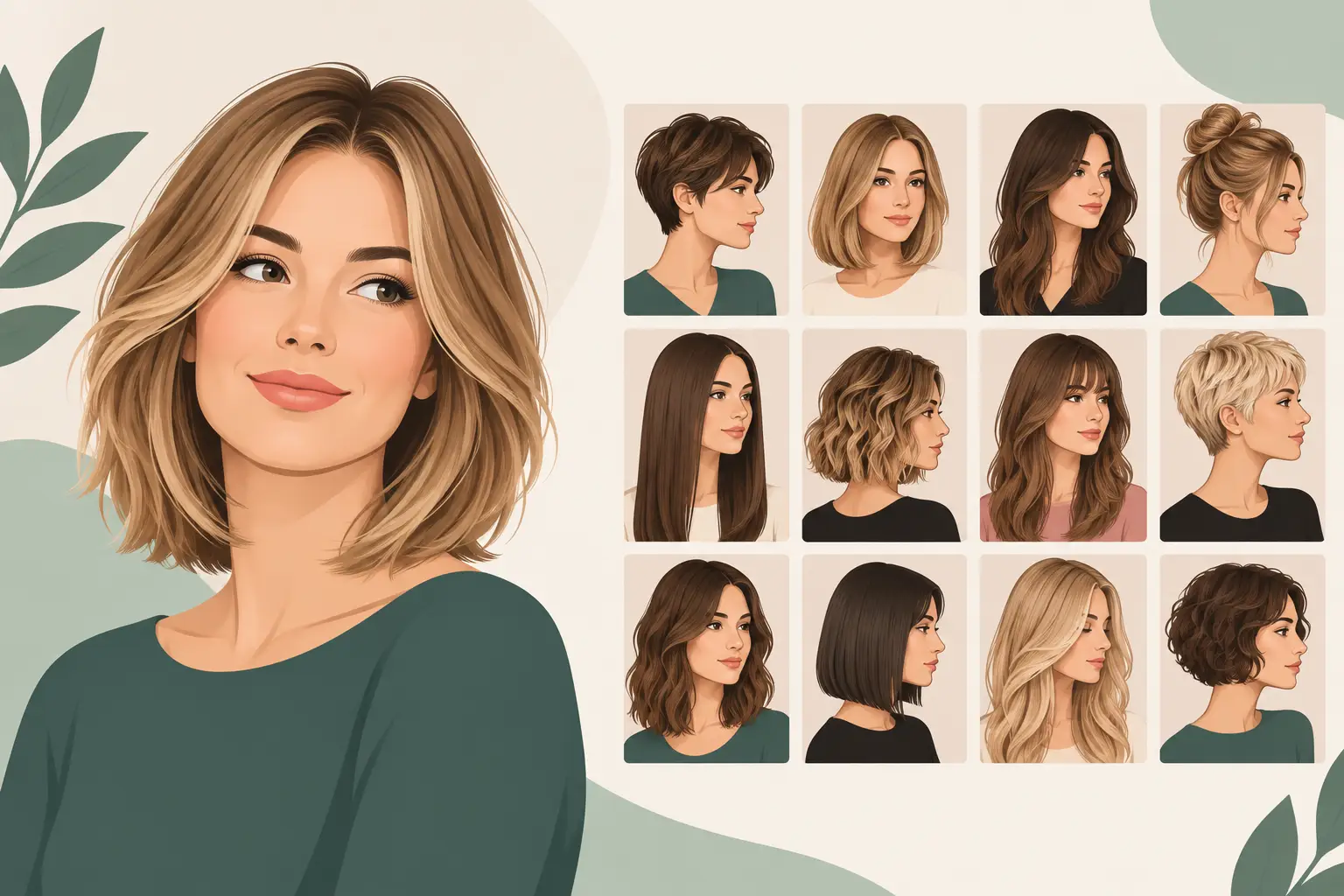
The Best Haircuts for Fine Hair
1. The Blunt Bob
A blunt bob is one of the most reliable choices for making fine hair look fuller. Cut around the jawline or just below it, this shape creates a crisp, substantial edge that instantly gives the appearance of density. It feels refined, fashion-forward, and easy to dress up for a special occasion.
The key is restraint. A bob can have soft movement around the face, but too much layering can weaken the silhouette. If your hair tends to bend or flip at the ends, a slightly longer bob may offer more control than a chin-length version.
2. The Italian-Inspired Bob
For a fuller, more glamorous finish, consider a softly rounded bob with a side or deep side part. This style has a luxurious, editorial quality and uses the curve of the blowout to create width through the mid-lengths. It is especially beautiful for clients who want a polished look with visible movement.
Fine hair benefits from the structure of this cut, but the result does ask for some styling. A round brush, a light root-lifting product, and a smooth finish help preserve its intended shape.
3. The Collarbone Lob
A collarbone-length lob is a versatile middle ground for clients who are not ready to go short. It maintains enough length for a ponytail or soft waves, yet removes the fragile, wispy ends that can make longer fine hair look sparse.
Keep the ends relatively full, with only subtle interior layers where needed. This approach gives the hair more body while still allowing for a relaxed, effortless finish. It is an excellent option for professionals who want hair that transitions easily from a meeting to an evening event.
4. The One-Length Long Cut
Long fine hair does not have to be layered to be beautiful. In fact, a mostly one-length cut can be the most flattering choice when you love your length but want it to appear healthier and more substantial.
A fresh, precise baseline makes a meaningful difference. Light face-framing may be added to soften the look, but preserving density at the bottom is the priority. This cut is particularly elegant when styled with a smooth blowout, soft bend, or low polished bun.
5. The Soft Shag With a Strong Perimeter
A modern shag can work for fine hair, but it needs thoughtful customization. The best version has airy movement near the crown and face while keeping a stronger perimeter through the ends. This prevents the cut from becoming too feathered or visually thin.
This style suits clients who want personality and texture rather than a perfectly sleek finish. It can also enhance naturally wavy fine hair, since the strategic layers encourage a little more lift. The trade-off is that a shag generally requires more intentional styling and regular reshaping than a classic bob.
6. The Pixie With Length on Top
A well-designed pixie can make fine hair look remarkably full because the shorter length removes weight and directs attention upward. Leaving some length at the crown and through the fringe creates lift, softness, and styling versatility.
The right pixie should be built around your growth patterns. A strong cowlick, a low crown, or a very fine hairline can all influence where length belongs. When customized well, it can look chic with minimal effort and make a powerful visual statement.
7. The Bixie
A bixie combines the easy confidence of a pixie with the softer length of a bob. It is ideal for someone who wants movement and shape without committing to a very short crop. Fine hair often responds well to this cut because the shorter interior can create lift while longer sections preserve femininity and flexibility.
This is a more artistic shape, so consultation matters. The placement of the fringe, sideburn area, and crown should be designed to complement your features, not copied exactly from a reference photo.
8. The French Bob With Fringe
A French bob, often paired with a light fringe, offers a compact silhouette that can make fine hair appear thicker. Its strength comes from the clean line near the jaw and the visual balance created by the bangs.
Fringe is not automatically right for every fine-hair client. If your hairline is sparse or your fringe separates quickly, a longer curtain fringe or side-swept version may be more flattering. The goal is softness and intention, never a piecey section that feels disconnected from the rest of the cut.
9. The Long Bob With Invisible Layers
Invisible layers are subtle internal adjustments that remove bulk only where it is needed, rather than creating obvious steps throughout the haircut. On a long bob, they can improve movement without sacrificing the appearance of fullness.
This technique is especially useful for fine hair that is dense enough to feel heavy at the roots but still looks delicate at the ends. It gives the haircut a more natural swing and can make blowouts feel lighter and more dimensional.
10. The Shoulder-Length Cut With Face Framing
Shoulder length is flattering because it creates a fresh, lifted visual line around the face and shoulders. A few softly blended face-framing pieces can add dimension and bring attention to the eyes and cheekbones without thinning the entire haircut.
Keep the framing long enough to blend into the main shape. Very short layers around the face can sometimes make fine hair look disconnected, particularly when air-dried. A stylist can adjust the placement based on whether you wear your part centered, off-center, or switched between both.
11. The Textured Crop
For clients drawn to a more expressive, contemporary look, a textured crop can bring fine hair to life. The texture should be created through the cut’s architecture, not by aggressively thinning every section. Short, controlled lengths can create the illusion of density and highlight beautiful facial structure.
A light styling paste or airy cream is usually enough. Heavy waxes can make fine hair look stringy, so less is often more.
12. The Curved Cut
A curved cut has a gentle U-shaped or rounded perimeter rather than a straight horizontal line. It is a graceful option for medium to long fine hair because it maintains length while adding a sense of softness and movement.
This shape works particularly well with loose waves and dimensional color. It is less dramatic than a blunt cut, but it still keeps the ends looking intentional when the curve is subtle and well maintained.
Styling Choices That Protect Fullness
Even the most beautifully crafted cut benefits from the right styling approach. Start with lightweight products that support the roots without coating the strands. A volumizing mousse or root spray can be useful, but application matters more than quantity. Focus near the scalp, then comb through lightly so the product does not collect in one area.
Blow-drying the roots in the opposite direction of your usual part can create immediate lift. Once the hair is nearly dry, return it to its natural placement and use a round brush only where you want polish or shape. For fine hair, a little movement is often more flattering than overly curled ends.
Color can also be part of the visual design. Soft dimensional placement can create depth and make fine hair appear more textured, while overly solid dark color may reveal more scalp contrast. The best choice depends on your natural base, maintenance preference, and the overall image you want to create.
Bring Reference Photos, But Ask for a Personalized Shape
Reference photos are helpful because they communicate mood, length, and finish. They do not reveal the model’s density, texture, styling routine, or extensions, so treat them as inspiration rather than a fixed blueprint.
During your consultation, share how often you style your hair, whether you wear it up, and what you dislike about your current cut. At BB Meme Salon, that conversation can become part of a more considered image-creation process, shaping a haircut that supports not only your hair texture but also how you want to feel when you step into your next moment.
The most flattering haircut for fine hair is the one that gives you a fuller silhouette without demanding a complicated routine. Choose shape over excess layering, preserve the quality of your ends, and let a skilled stylist tailor the details that make the style feel distinctly yours.