About the author : bbmemesalon@gmail.com

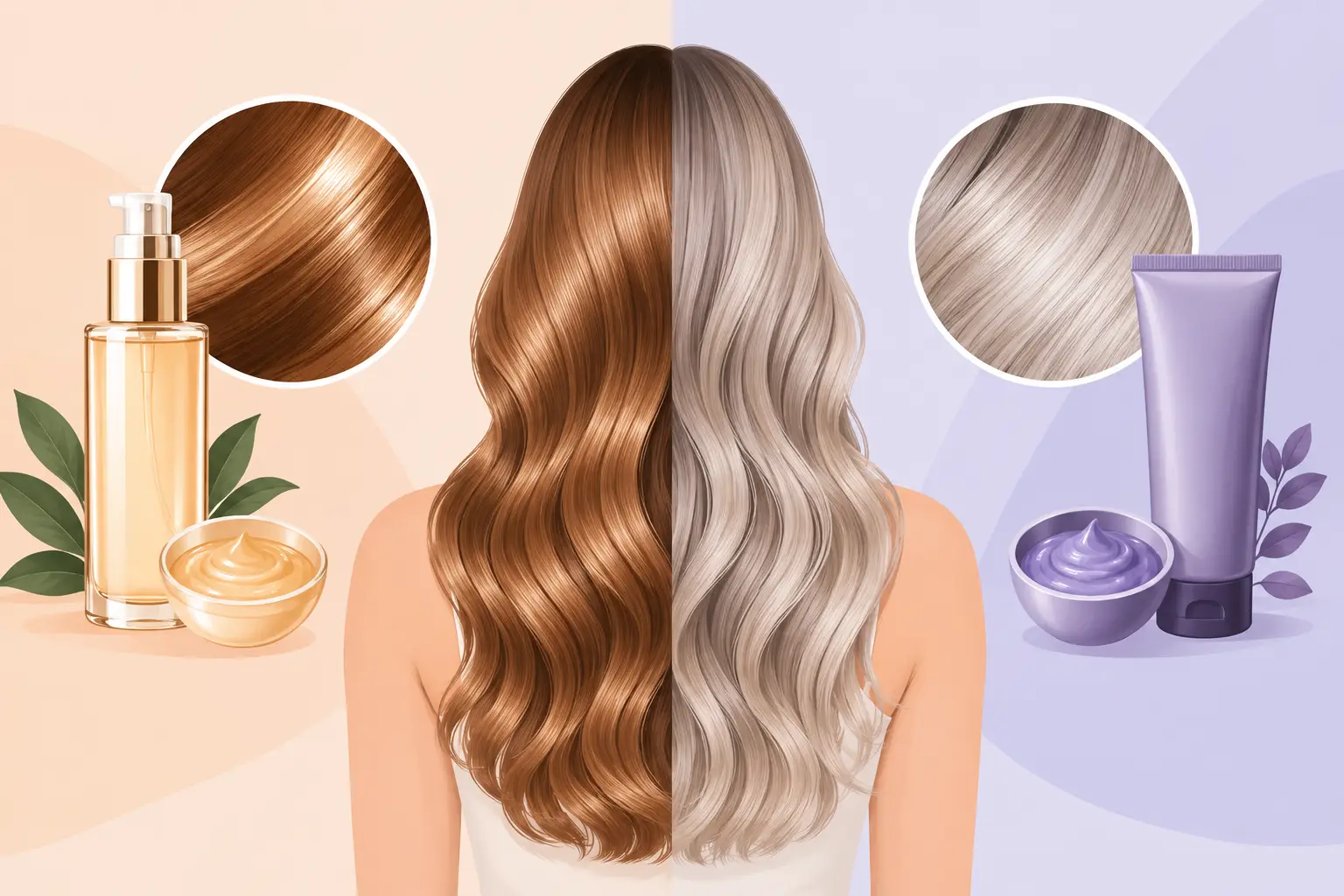
The difference can be surprisingly visible in photos: one result catches the light with a silky, expensive-looking sheen, while the other removes the brassiness that was distracting from the color in the first place. When clients ask about hair gloss versus toner, they are usually asking one essential question: what will make my hair look more polished right now?
The answer depends on what the hair needs. A gloss is often chosen for shine, softness, and a refined color finish. A toner is typically chosen to adjust an unwanted tone after lightening or when blond, gray, or highlighted hair starts looking too warm. In a professional color service, the two can overlap, but they are not interchangeable in every situation.
Hair Gloss Versus Toner: The Essential Difference
A hair gloss is a demi-permanent color service designed to enhance the overall appearance of the hair. It can add a subtle veil of color, enrich a fading shade, blend the look of early grays, or be completely clear for shine without changing the color dramatically. Think of it as a finishing layer that helps the hair look more intentional, reflective, and beautifully maintained.
Toner is more targeted. It is used to shift the underlying tone of the hair, especially after highlights, balayage, bleaching, or a major lightening service. If a blonde is pulling yellow, a toner can create a cooler, creamier, or more neutral result. If brunette highlights have gone orange, the right toning formula can soften that warmth and bring the color back into balance.
The salon terminology can be confusing because many modern demi-permanent gloss formulas also tone the hair. A stylist may use a product called a gloss to neutralize brassiness, or refer to a toner that leaves a high-shine finish. The name on the bottle matters less than the color goal, the condition of your hair, and the formulation your stylist selects.
When a Hair Gloss Is the Better Choice
Choose a gloss when your color still feels right, but it no longer looks fresh. Perhaps your brunette has lost its depth, your red has become less vibrant, or your natural-looking highlights need a little more dimension. A gloss restores a sense of richness without committing you to a permanent color change.
It is also an elegant choice for clients who do not color their hair but want more radiance. A clear gloss can make natural hair look smoother and more reflective, especially before a wedding, vacation, professional portrait session, or special celebration. It does not transform the hair into a different shade. Instead, it brings greater polish to the color that is already there.
For gray blending, a demi-permanent gloss can soften the contrast between silver strands and the rest of the hair. This is different from full gray coverage. The result is often more translucent and dimensional, which can be especially flattering for someone who prefers a low-maintenance, natural grow-out.
A gloss is not a substitute for lightening. It will not make dark hair blonde, erase a strong band of old color, or dramatically brighten roots. Its beauty is in refinement. It works best when the foundation is already close to where you want it.
What a gloss can do for your finish
The most noticeable benefit is usually shine, but the visual effect goes further. A well-chosen gloss can make multi-dimensional color look more connected from root to ends. It can soften the appearance of porosity, refresh faded lengths, and add a controlled tonal direction – warmer, cooler, richer, or more neutral – without making the result look flat.
How long it lasts varies with hair porosity, shampoo habits, water exposure, heat styling, and the formula used. Many clients enjoy the effect for several weeks, then return for a refresh between major color appointments. This rhythm can be ideal for maintaining a camera-ready finish without repeatedly lightening the hair.
When Toner Is the Right Move
Toner is the better choice when the issue is unwanted warmth or an off-tone result. Lightened hair reveals warm underlying pigments as it lifts. That is normal chemistry, not a color mistake. A toner helps direct those exposed pigments toward the finished shade you actually want.
For example, a bright blonde may need violet-based toning to quiet yellow. A darker blonde or bronde with orange warmth may need a blue-violet approach. A stylist evaluates the level of lightness, the exact warmth present, previous color history, and your desired finish before choosing a formula. Trying to correct color with a generic purple shampoo alone can be unpredictable, especially when hair is porous or unevenly lightened.
Toner is often part of a highlight or balayage appointment because hair needs tonal refinement after it has been lifted. It is what takes highlights from simply lighter to creamy, cool, golden, beige, smoky, or softly sun-kissed. That final direction is where artistry matters most.
Toner will not solve every color concern. If hair has not lifted light enough, a toner cannot force it into an icy platinum result. If the warmth is very strong, the hair may require additional lightening, a warmer color direction, or a gradual correction plan. Over-toning can also leave overly porous hair looking dull, murky, or temporarily too dark, which is why a customized approach is worth more than chasing a trend shade.
Choose by Your Goal, Not the Service Name
Before your appointment, describe what you see rather than trying to diagnose the formula. You might say, “My blonde looks yellow at the ends,” “My brown color feels faded,” or “I love my highlights, but they do not photograph with the same brightness anymore.” Those details give your stylist a clearer starting point.
A few simple distinctions can help guide the conversation. If you want shine, depth, and a refreshed overall tone, ask about a gloss. If you want to cancel brassiness after lightening, ask about toning. If you want both a tonal correction and a luminous finish, a glossing toner or a combined color service may be the most beautiful option.
Your lifestyle matters, too. Someone who wants a lived-in blonde may choose a soft beige toner that fades gracefully. Someone preparing for editorial-style photos or a formal event may prefer a more precise, freshly glossed finish. A redhead may need a color-depositing gloss to preserve vibrancy, while a silver-haired client may benefit from tonal balancing that keeps yellowing from distracting from the natural gray.
How to Keep the Result Beautiful Longer
The care after your service shapes how long the color stays polished. Use salon-recommended color-safe shampoo and conditioner, and avoid washing more often than your hair and scalp require. Very hot water, frequent heat styling, chlorine, and prolonged sun exposure can all accelerate fading, particularly with bright blondes, reds, and fashion-forward tones.
Heat protectant is not only for preventing dryness. It also helps preserve the look of freshly toned or glossed hair when you blow-dry, curl, or straighten. If you swim regularly, wetting the hair with clean water first and rinsing promptly afterward can reduce the impact of pool chemicals.
At home, purple or blue shampoo may help some clients maintain cooler tones, but it should be used with care. These products can create uneven or overly muted results on dry, porous ends. They are maintenance tools, not a replacement for a professional color adjustment. When in doubt, bring your at-home products to your appointment and ask how often they make sense for your particular shade.
A More Personal Way to Approach Color Maintenance
Great color is not just about whether a service is labeled gloss or toner. It is about the way your hair moves, reflects light, complements your skin tone, and supports the image you want to present. The right finish should feel like you, only more considered.
At BB Meme Salon, color maintenance can be approached as part of total image creation, whether you are preparing for a milestone, a creative shoot, or simply want your everyday look to feel renewed. Bring a few reference images, share how you style your hair at home, and be honest about the maintenance you enjoy. The most flattering color plan is the one that remains beautiful long after you leave the chair.