About the author : bbmemesalon@gmail.com

A blackhead can look small in the mirror yet feel impossible to ignore before a wedding, portrait session, or simply a week when you want your skin to look polished. So, are facial extractions painful? They can be uncomfortable, especially in sensitive areas, but a thoughtful professional treatment should feel controlled, brief, and tailored to your skin rather than harsh or punishing.
Facial extractions are not meant to be an endurance test. The goal is to clear congested pores with precision while respecting your skin barrier, your comfort level, and the overall finish you want from your facial. When performed with proper preparation and a measured touch, the sensation is often more manageable than clients expect.
What Facial Extractions Actually Feel Like
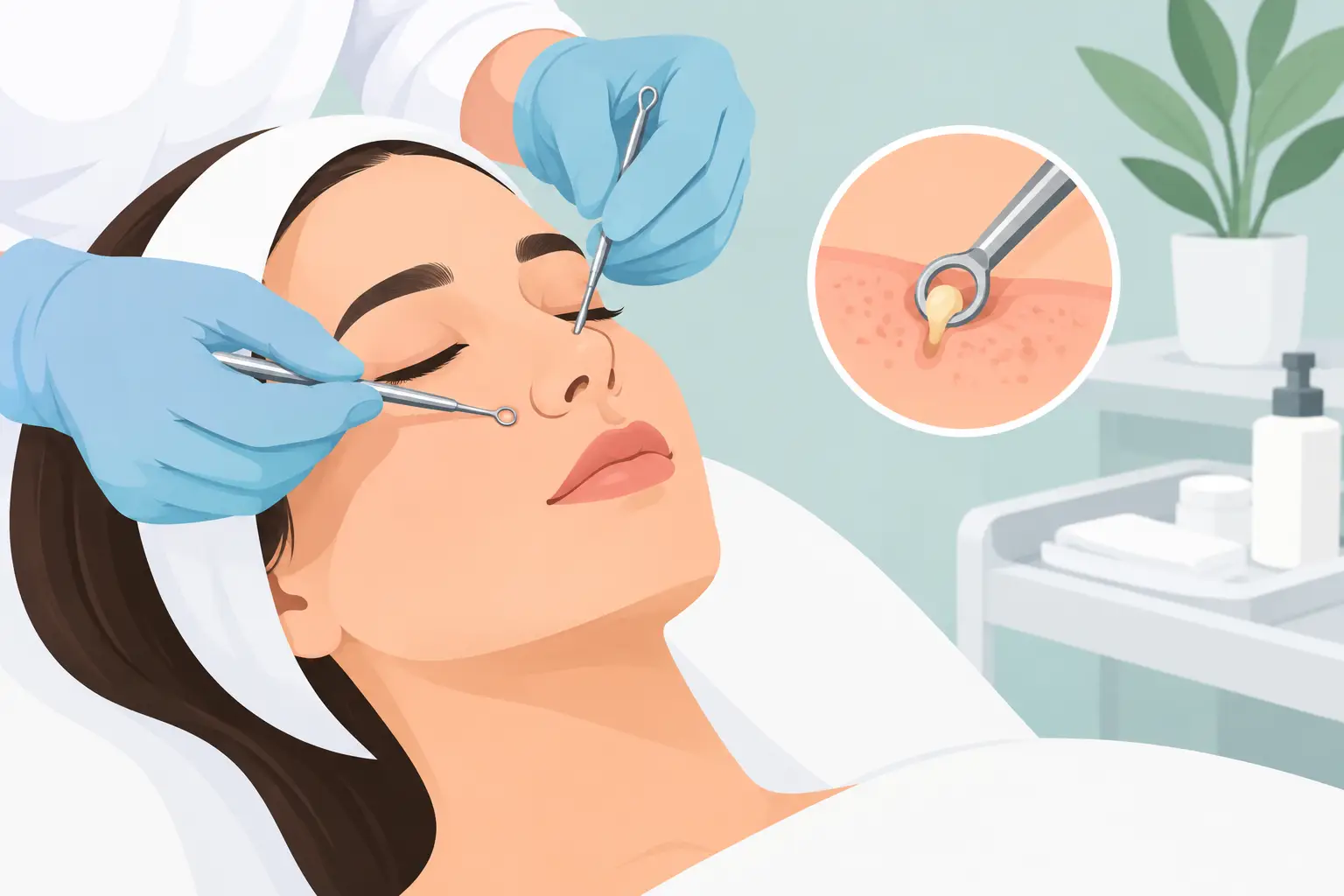
An extraction is the careful removal of pore congestion, such as blackheads, whiteheads, and certain small blemishes. During the process, an esthetician may use gloved fingers wrapped in gauze, a sterile extraction tool, or both. You may feel focused pressure, a quick pinch, or a mild stinging sensation that lasts only a few seconds per pore.
The nose, chin, and center of the forehead are common areas for congestion, and they are often the easiest for clients to tolerate. The upper cheeks, jawline, and areas close to the lips can feel more sensitive. If your eyes water a little during a nose extraction, that is not unusual. It does not necessarily mean the service is too painful.
What should not happen is prolonged, escalating pain. A skilled provider does not keep pressing on a pore that is not ready to release. Repeated force can cause unnecessary redness, inflammation, bruising, or broken capillaries, none of which support a refined, photo-ready complexion.
Why Some Extractions Hurt More Than Others
Comfort depends on more than personal pain tolerance. The condition of the pore, the state of your skin, and the preparation before the extraction all shape the experience.
A soft, superficial blackhead is generally easier to remove than a deeply embedded clog. Whiteheads can also be more delicate because they sit beneath a thin layer of skin. Trying to extract an inflamed pimple, cyst, or lesion that is not ready can be painful and may increase the risk of marks. In those cases, restraint is often the more beautiful choice.
Your skin can also be more reactive at certain times. Retinoids, exfoliating acids, prescription acne medications, recent waxing, sun exposure, dehydration, and an already-compromised skin barrier can all make extractions feel sharper. Hormonal breakouts may be tender before treatment even begins.
There is also a simple practical factor: timing. A facial performed right before a major event may not be ideal if your skin tends to stay pink after extractions. For bridal beauty, professional photography, or a special occasion, schedule a complexion-focused facial far enough ahead to let your skin settle and reveal its best finish.
The Difference Preparation Makes
The best extractions begin before any pressure is applied. Cleansing removes surface makeup, sunscreen, and oil. Gentle exfoliation may help loosen buildup, while steam, warm towels, or a softening treatment can make the skin more receptive. Not every skin type benefits from heat or exfoliation, however, so the facial should be adjusted rather than delivered as a fixed routine.
A provider should also assess what is truly extractable. A pore that is ready often releases with light, intentional pressure. A stubborn spot may be left alone for another visit. That decision can feel disappointing when you want immediate clarity, but protecting the skin is part of expert care.
Are Facial Extractions Painful With Sensitive Skin?
Sensitive skin does not automatically rule out extractions. It does mean the approach should be more selective. A customized facial may focus on a few areas of visible congestion instead of attempting to clear every pore in one session.
If you have rosacea, eczema, active irritation, sunburn, open skin, or a history of post-inflammatory dark marks, say so before your treatment starts. Clients using prescription skin treatments should also share that information. A knowledgeable esthetician can adapt the service, avoid compromised areas, and help you decide whether extraction is appropriate that day.
For sensitive or reactive complexions, fewer extractions can produce a more elegant result than an aggressive clearing session. Calm, even-looking skin tends to photograph beautifully. A face that has been overworked rarely does.
How to Make Your Facial More Comfortable
You do not need to “push through” discomfort to get value from your facial. Clear communication helps your provider create an experience that feels both effective and considered.
Before the service, arrive with clean skin when possible and avoid picking at blemishes. Do not use strong exfoliants or try an at-home peel immediately beforehand unless your skin professional has advised it. If you are scheduling around an event, mention the date so the treatment can be paced appropriately.
During extractions, tell your esthetician if the pressure feels too intense. You can ask them to pause, move to another area, or skip a particular spot. Taking slow breaths and relaxing the jaw can help as well. Tensing your face often makes the sensation feel stronger and can make a precise extraction more difficult.
Afterward, keep your hands away from your face. Freshly extracted skin benefits from a gentle approach: mild cleansing, soothing hydration, sunscreen during the day, and a temporary pause on strong acids, scrubs, and retinoids if recommended. A little pinkness can be normal, particularly around the nose and chin, but it should gradually calm rather than worsen.
Professional Extractions vs. Doing It Yourself
At-home squeezing is tempting, especially when a pore looks obvious in the bathroom mirror. The trade-off is that it is easy to apply pressure from the wrong angle, use unclean hands or tools, and push material deeper into the skin. This can turn a small clog into prolonged redness, scabbing, or a lingering mark.
Professional extraction is not about removing every visible imperfection in one appointment. It is about reading the skin, choosing what is safe to address, and preserving a healthy-looking surface. That measured approach matters when your beauty routine is part of a larger image: polished hair, considered makeup, luminous skin, and the confidence to be seen up close.
At BB Meme Salon, facial care can be part of a more complete beauty experience, especially when you are preparing for a celebration, a new professional portrait, or a moment that deserves thoughtful presentation. The most effective service is always the one that respects both your skin’s condition and your desired result.
When to Skip Extractions
There are times when extraction is simply not the right service. Active cystic acne, infected blemishes, open wounds, significant irritation, recent sunburn, and skin that is peeling from strong products are all reasons to pause. If you are unsure whether a spot is acne, irritation, or something that needs medical attention, consult a dermatologist rather than trying to treat it through pressure.
It is also reasonable to skip extractions when your priority is deep hydration, relaxation, or a gentle glow before an event. A facial can still be restorative and effective without them. Clear skin is not created by force. It is created through consistent care, appropriate products, professional guidance, and patience.
The right facial should leave you feeling cared for, not challenged. If extractions are included, expect a few fleeting moments of pressure, a provider who listens, and a treatment designed to support skin that looks composed, comfortable, and ready for its close-up.