About the author : bbmemesalon@gmail.com

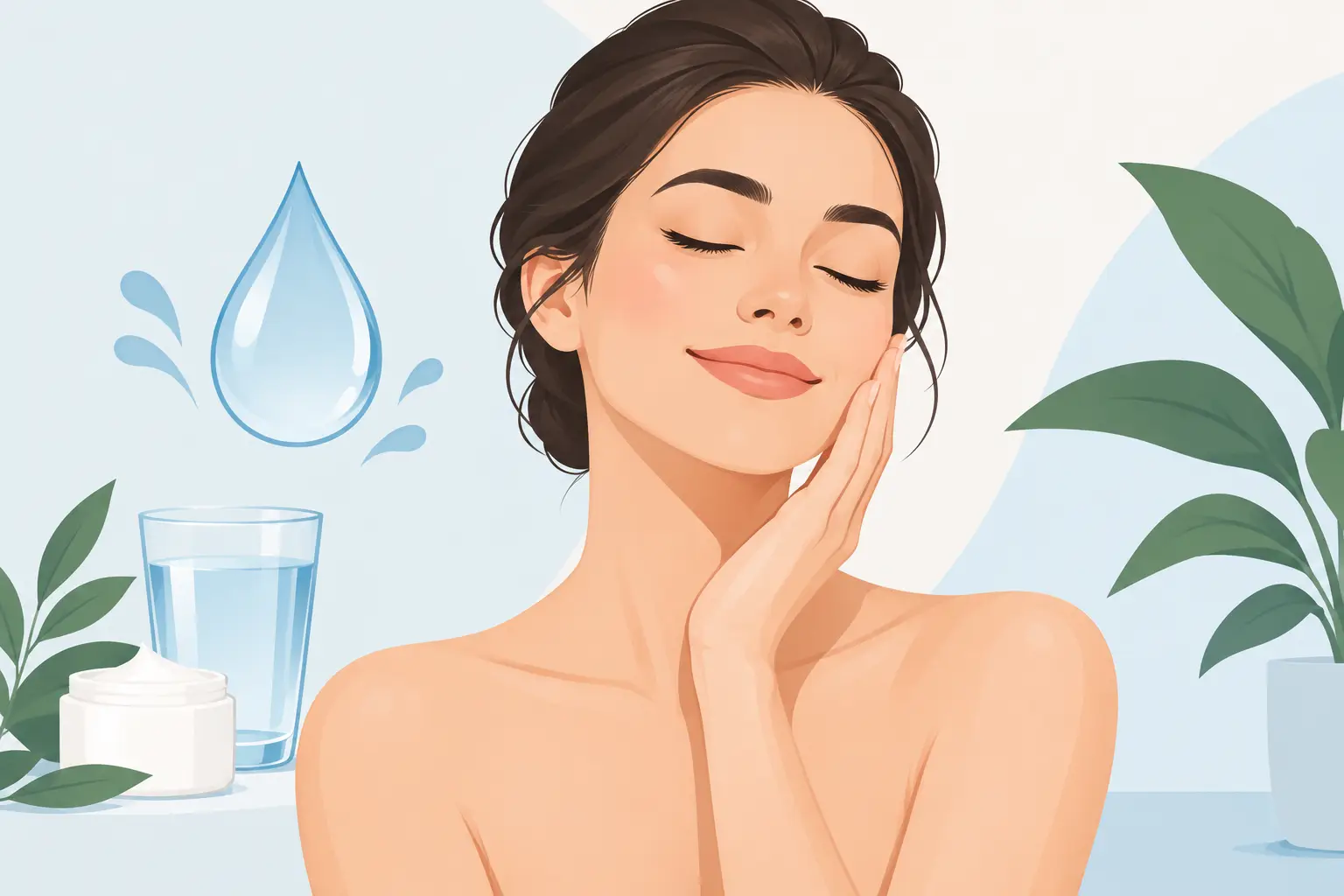
A beautiful complexion rarely begins with more makeup. It begins with skin hydration: the quiet, essential condition that helps skin look softer, smoother, and more luminous before a brush, camera, or special occasion enters the picture. When skin holds the water it needs, it reflects light with more ease and gives every other beauty detail – from a fresh haircut to polished event styling – a more refined foundation.
Hydrated skin is not necessarily oily skin, and dry skin is not always simply a matter of drinking more water. Your complexion responds to a mix of environment, product choices, cleansing habits, stress, age, and the natural strength of its protective barrier. In San Diego, a day can move from coastal air to sun exposure to air-conditioned interiors, all of which can leave skin feeling less balanced than it appears at first glance.
What Skin Hydration Really Changes
Hydration refers to the water content within the skin. Moisture, while often used interchangeably in everyday beauty language, also involves the oils and ingredients that help keep that water from escaping. Both matter. A complexion can feel tight because it needs water, because it lacks protective lipids, or because a product routine is doing too much.
When the balance is right, skin tends to look more supple and even. Fine dehydration lines may appear less noticeable, makeup is more likely to sit smoothly, and the complexion has the rested quality that photographs beautifully. This does not mean skin needs to look glossy or heavily layered. The goal is a comfortable, healthy-looking finish that still feels like you.
For bridal mornings, milestone celebrations, professional portraits, or simply a week when you want to feel polished, hydration deserves attention well before the date on the calendar. Last-minute experimentation is rarely the most elegant route to a camera-ready result.
Begin With a Routine Your Skin Can Maintain
The most effective routine is usually not the longest one. It is the one you can follow consistently without leaving your skin stinging, congested, or overwhelmed. Start by noticing how your face feels after cleansing. If it feels squeaky, tight, or immediately thirsty, your cleanser may be too stripping for your current needs.
A gentle cleanse followed by a hydrating layer and a moisturizer is a strong, uncomplicated foundation. Hydrating serums and essences often use humectants, ingredients that attract water to the skin. Moisturizers help support the surface barrier, reducing the feeling that hydration disappears an hour after you apply it. In the morning, sunscreen is part of this conversation too. Sun exposure can compromise the skin’s barrier over time, making a luminous complexion more difficult to maintain.
The texture should suit your skin and your surroundings. A lightweight gel moisturizer may feel ideal for someone who is oily or humid-weather prone, while a creamier formula can bring relief to skin that feels dry, mature, or sensitized. There is no prize for using the richest product in the cabinet. If a formula leaves you shiny, clogged, or uncomfortable, it may not be the right fit, even if it is marketed as intensely hydrating.
Why Overdoing It Can Leave Skin Looking Dull
A common mistake is trying to exfoliate dryness away. Exfoliation can be useful when it is chosen thoughtfully, but too much scrubbing, frequent acids, strong retinoid use, or harsh cleansing can interrupt the very barrier that helps skin hold water. The result can be a frustrating cycle: more texture, more tightness, and a complexion that looks both dry and reactive.
If your skin suddenly feels sensitive, simplify before adding another active treatment. Give it a few days of gentle cleansing, nourishing moisture, and daily sun protection. This is especially wise before a wedding, vacation, photography session, or important event. An aggressive new product may promise immediate glow, but an irritated complexion is much harder to style around.
Skin hydration also shifts with the seasons, travel, hormones, and professional treatments. What worked perfectly in summer may feel too light during a dry, windy stretch or after a long flight. Reassessing your routine is not inconsistency. It is attentive self-care.
The Event-Week Approach to Hydrated Skin
When a special date is approaching, think in terms of preparation rather than rescue. Give new skincare products time to reveal whether they suit you. Keep your routine calm and familiar in the final days, and avoid picking at blemishes or trying intensive at-home treatments that could leave redness or flaking.
A few practical choices can make a visible difference: use lukewarm rather than hot water, apply hydrating products to slightly damp skin, moisturize morning and night, and remember sunscreen when you will be outdoors. If you wear complexion makeup, a well-prepped base often allows you to use less product while achieving a more polished finish.
This matters in photographs because cameras notice texture, especially under direct light. Makeup artists and stylists can create beautiful dimension, but they cannot fully replace the softness that comes from well-supported skin. The most flattering look is usually not a masked complexion. It is skin that appears comfortable, cared for, and alive.
When a Professional Facial Fits Into the Picture
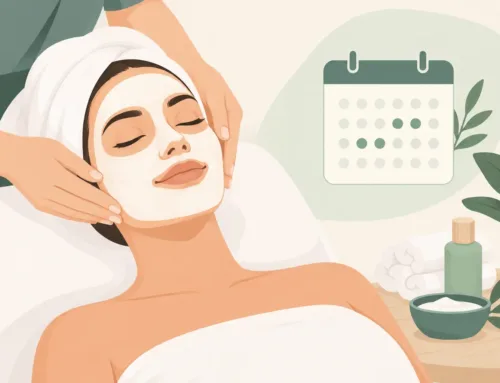
At-home care creates continuity, while a professional facial can offer a more focused moment of care. The right service may help refresh the look of the complexion, provide gentle exfoliation when appropriate, and bring a level of relaxation that is difficult to recreate between meetings and errands.
Timing matters. For a major occasion, schedule treatments with enough space for your skin to settle, particularly if you are sensitive or trying a service for the first time. A consultation should guide the experience. Skin that is dry and delicate needs a different approach from skin that is congested, oily, or recovering from overexfoliation.
At BB Meme Salon, facial care can be part of a larger beauty vision rather than an isolated appointment. When hair, skin, nails, and photography are considered together, the result feels intentional. It is total image creation with room for your own style, whether your desired finish is softly natural, editorially refined, or ready for a celebration.
Hydration Beyond the Vanity
A face mist can feel refreshing, but it is not a substitute for the habits that support skin over time. Regular meals, sleep, water intake, stress management, and protection from excess sun all influence how the complexion presents itself. No single glass of water creates an instant glow, yet a pattern of caring for your body supports the work your skincare performs on the surface.
Pay attention to persistent changes. Ongoing itching, cracking, painful irritation, or a rash deserves guidance from a licensed medical professional or dermatologist rather than more trial-and-error products. Beauty care works best when it respects the line between cosmetic support and medical concern.
Your complexion does not need perfection to be beautiful. It needs care that is observant, consistent, and suited to the life you actually lead. Give skin hydration time to become part of your rhythm, and the softer, more luminous finish you see in the mirror can become a lovely part of how you arrive for everything ahead.