About the author : bbmemesalon@gmail.com

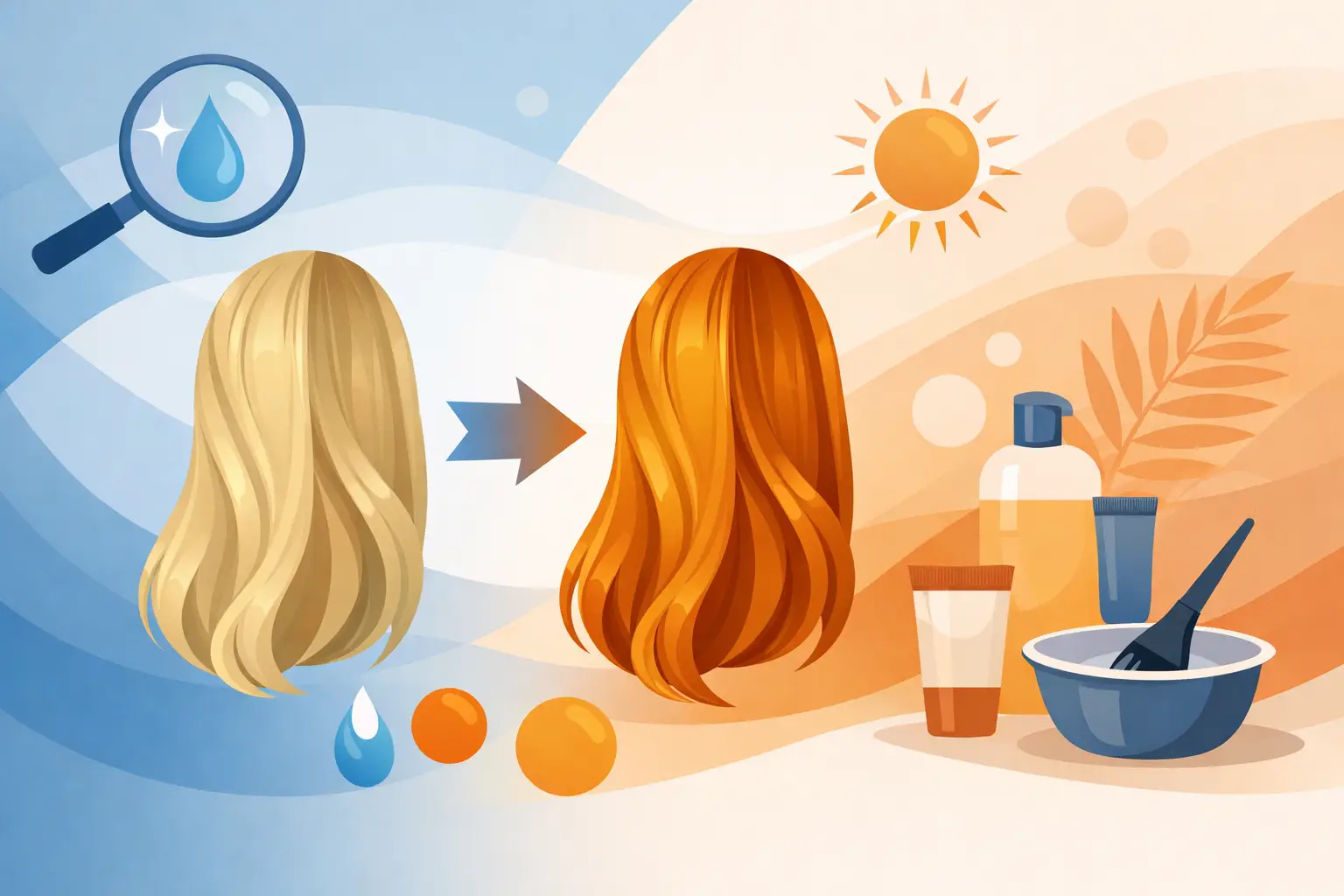
A blonde that looked creamy in the salon can begin to read gold, yellow, or orange weeks later, especially in bright San Diego light. So, what causes brassy hair tones? Usually, it is not one mistake or one product. Brassiness is the visible result of underlying warmth, fading toner, environmental exposure, and a hair-care routine that may not be supporting color-treated hair.
The good news is that warmth can be anticipated, softened, and beautifully managed. The most flattering approach depends on your natural level, previous color history, desired shade, and how often you want to maintain it. A polished result is less about chasing an impossibly permanent cool tone and more about creating a color plan that stays harmonious as your hair evolves.
What Causes Brassy Hair Tones in Color-Treated Hair?
Brassy tones appear when warm pigments become more visible than the cool or neutral tones layered over them. Every head of hair contains underlying pigment. As hair is lightened, those pigments are exposed in stages: red, then orange, then gold, then pale yellow. The darker the starting color, the more warmth must be lifted before a stylist can create a cool blonde, beige brunette, silver, or soft platinum finish.
Color services often use toner, gloss, or demi-permanent color to refine that exposed warmth. These formulas create the elegant ash, pearl, champagne, mushroom, or neutral dimension clients love. But toner is not permanent. It gradually fades with shampooing, heat styling, sun exposure, and simply the passage of time. When the refining tone fades, the warm background that was already present begins to show through again.
This is why brassiness does not always mean your color service failed. Sometimes it means the hair was lifted safely and appropriately, then needs its planned refresh. Trying to remove every trace of warmth in a single appointment can be too aggressive for the hair, particularly after previous highlights, box color, or repeated lightening. Healthy, luminous hair often requires a more considered path than instant ice blonde.
Your Natural Pigment Still Matters
A natural medium or dark brunette may lift to orange or deep gold before it reaches pale yellow. If the goal is a bright, cool blonde, the stylist must either lift further over time or select a finished tone that works gracefully with the level achieved. A warm caramel brunette, lived-in honey blonde, or dimensional beige may be more achievable with less stress on the hair than a high-contrast platinum result.
Hair history matters just as much. Permanent color, mineral buildup, henna, and uneven porosity can all affect how hair lifts. The artistry is in reading the canvas honestly, then creating a tone that looks intentional from the salon chair through the weeks ahead.
Water, Sun, and Styling Can Shift Your Color
San Diego life has its own set of color challenges. Sunshine, beach days, swimming, and frequent styling for events or professional life can all contribute to a warmer-looking finish.
Hard water is a common culprit. Minerals such as iron and copper can cling to the hair surface, creating a dull, yellow, orange, or even slightly green cast depending on the hair and environment. This buildup can make fresh color look less reflective and can interfere with the way toning products perform. If you notice brassiness returning unusually quickly, especially after moving homes or changing your shower routine, water may be part of the story.
Chlorine and saltwater can also alter the look and feel of lightened hair. Chlorine may leave hair dry and porous, while saltwater can pull moisture from the strand. When hair becomes dehydrated or roughened, it reflects light less evenly. That loss of shine can make warm tones appear stronger than they truly are.
Sun exposure is another quiet factor. UV rays can fade both natural pigment and salon-applied color, revealing warmth underneath. A weekend outdoors will not necessarily transform your color, but repeated exposure without protection can shorten the life of a carefully toned finish.
Heat styling has a similar effect over time. High temperatures can fade color and contribute to dryness, especially on porous ends. Blow-drying, flat-ironing, and curling can absolutely remain part of a polished routine, but heat protectant and intentional temperature settings are part of preserving the color as well as the condition.
Why Some Hair Turns Brassy Faster Than Others
Porosity is often the difference between color that stays balanced for weeks and color that seems to shift overnight. Porous hair has raised or compromised cuticle layers, often from lightening, heat, chemical services, or everyday wear. It may absorb toner quickly, but it can also release it quickly.
The ends are usually the most vulnerable because they are the oldest part of the hair. They have seen more sun, more brushing, more hot tools, and more services than the new growth near the scalp. A client may notice cool roots and warm ends not because the formula was wrong, but because the two areas of hair are behaving differently.
At-home product choices can amplify the issue. Clarifying shampoos, anti-dandruff formulas, and products with stronger cleansing agents may strip toner faster when used too often. On the other hand, heavy oils, silicones, dry shampoo residue, or mineral buildup can leave hair looking dull enough that a once-balanced blonde suddenly appears yellow.
There is no single routine that suits every color. Fine highlighted hair may need lightweight hydration and gentle cleansing, while heavily lightened, textured hair may need more moisture and periodic bond-supporting care. The right recommendation should be as individual as your cut, color placement, and lifestyle.
Keeping Brassiness Soft and Intentional
The most effective strategy starts in the salon with realistic maintenance planning. During a color consultation, it helps to discuss whether you prefer a cool, creamy, neutral, golden, or softly warm result. Inspiration photos are valuable, but they should be considered alongside your starting level, skin tone, previous color, and willingness to return for glosses or toners.
A toner or gloss appointment between highlight services can make a remarkable difference. It refreshes the visible tone, restores shine, and allows the color to feel newly polished without repeating a full lightening service. For many blondes and dimensional brunettes, this is the service that keeps the overall image refined for work, celebrations, photographs, and everyday confidence.
At home, use a color-safe shampoo and conditioner selected for your hair’s needs. Wash with comfortably cool or lukewarm water when possible, since very hot water can encourage color fade. Before heat styling, apply a heat protectant and avoid repeatedly passing a hot tool over the same section.
Purple shampoo can help neutralize yellow tones, while blue shampoo can soften orange tones. These are useful tools, not daily essentials. Overuse can leave certain porous areas looking dull, smoky, or slightly violet, and it can be drying on already lightened hair. Think of toning shampoo as a targeted treatment: use it according to your stylist’s guidance, watch how your hair responds, and follow with hydration.
If hard water is affecting your color, a shower filter may be worthwhile. A professional mineral-removing treatment can also help when buildup is the main issue. It is better to address deposits thoughtfully than to keep layering purple shampoo over hair that is coated, dry, or unevenly toned.
When a Professional Color Refresh Is the Better Choice
At-home care can preserve a beautiful tone, but it cannot always correct it. If your hair has turned distinctly orange, looks uneven from roots to ends, feels brittle, or has a greenish or muddy cast after swimming or mineral exposure, a professional assessment is the safest next step. More pigment is not automatically the answer. Sometimes the hair needs cleansing, hydration, a precise toner, or a different approach to color placement.
For clients preparing for a wedding, a portrait session, a vacation, or a meaningful event, timing matters. Schedule color with enough room for a refinement appointment if needed, particularly when making a dramatic change. At BB Meme Salon, color is considered as part of total image creation: how it moves, reflects light, complements makeup and wardrobe, and photographs from every angle.
Brassiness is not a personal failure or a sign that your hair is impossible to manage. It is simply hair revealing its natural warmth and responding to the life you live in it. With thoughtful color design, gentle maintenance, and timely glossing, that warmth can remain a soft undertone rather than the thing you notice first in the mirror.