About the author : bbmemesalon@gmail.com

A color appointment can change more than your hair. It changes how light moves around your face, how your cut reads in photographs, and whether your everyday style feels softly natural or deliberately high impact. When clients ask about highlights versus lowlights, the most useful answer is rarely one technique over the other. It is about creating dimension that feels right for your complexion, lifestyle, and personal image.
Highlights add brightness. Lowlights add depth. Used thoughtfully, either can make hair appear fuller, healthier, and more expressive. Used together, they can create the kind of layered, camera-ready color that looks beautiful from every angle.
Highlights Versus Lowlights: The Essential Difference
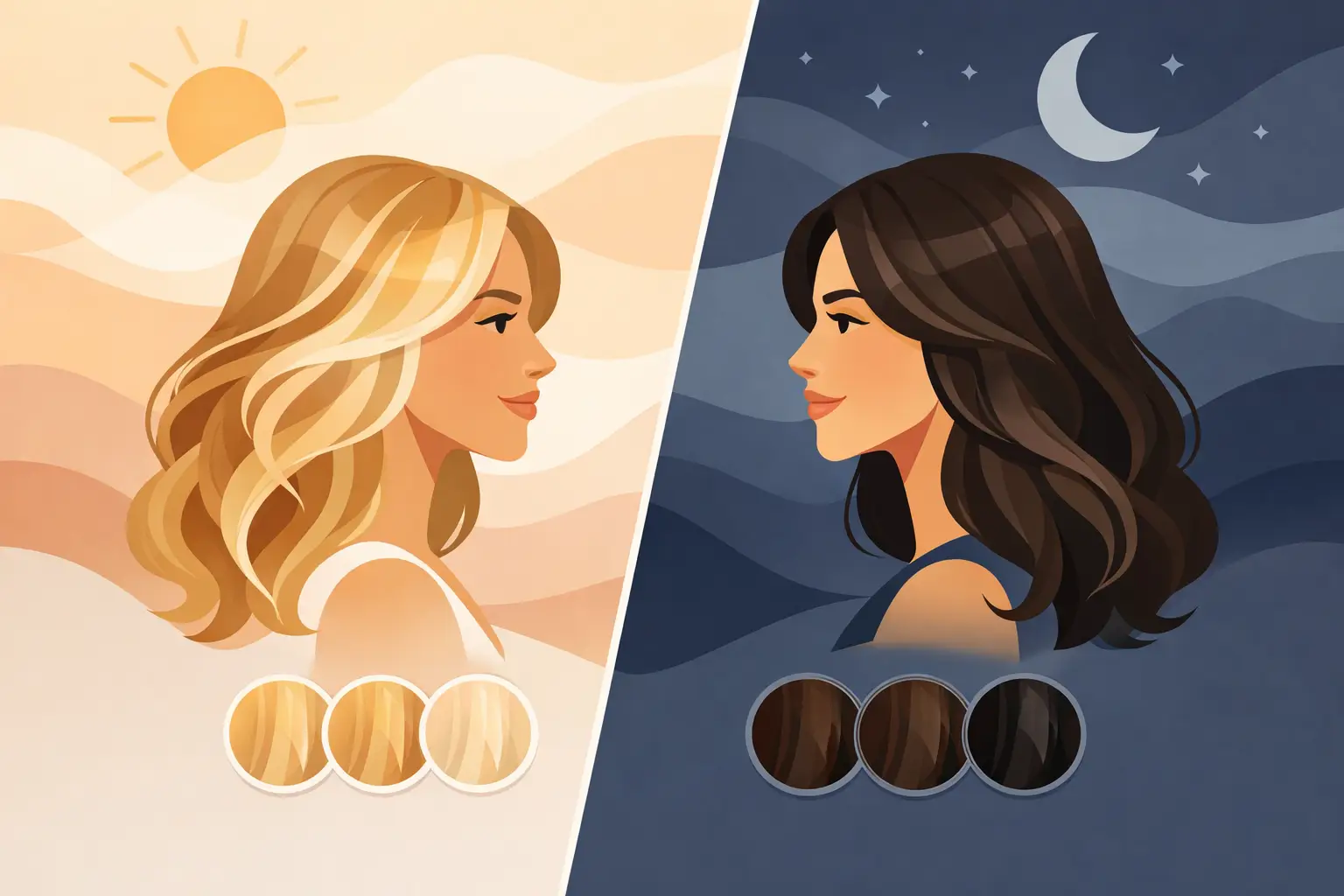
Highlights are sections of hair colored lighter than your natural or current base. They capture the light first, bringing brightness through the lengths and around the face. Depending on placement and tone, highlights can create anything from a sun-kissed softness to a bold, luminous blond effect.
Lowlights are sections colored darker than the surrounding hair. Rather than making the hair look darker overall, they create contrast and visual shadow. This gives the color more depth, especially when hair has become overly light, flat, or uniform from repeated highlighting.
Think of hair color as an editorial image. Highlights are the illumination. Lowlights are the contour. The most polished result often comes from balancing both, not choosing one in isolation.
When Highlights Are the Right Choice
Highlights are ideal when you want your hair to feel brighter, lighter, or more open around the face. They can bring a fresh lift to brunette, red, and blonde hair alike, especially when the color is selected with your undertone in mind.
For someone with naturally medium brown hair, fine caramel or beige highlights may create a warm, reflective finish without changing the overall identity of the hair. A cooler brunette might prefer delicate ash, mushroom, or neutral ribbons of light. The goal is not simply to go lighter. It is to choose a brightness that complements your skin and looks intentional in natural daylight.
Face-framing highlights are especially effective for clients preparing for an event, updated headshots, or a new season of personal branding. Strategically placed brightness can draw attention to the eyes and cheekbones while giving the entire style a more energized appearance.
A few considerations matter before choosing highlights. Significant lightening may require more than one appointment if you are starting with dark hair or existing color. Lightened hair also benefits from attentive home care, including professional-quality products and regular conditioning. The maintenance can still be flexible, however. A softly blended technique with a natural root can grow out beautifully between visits, while a very bright, high-contrast blonde typically calls for more frequent tonal refreshing.
Highlights for Fine or Dark Hair
Fine hair can look more dimensional with finely woven highlights because the contrast creates the appearance of movement and density. The placement should be refined, not heavy. Broad, chunky sections may overwhelm delicate texture.
For darker hair, a stylist may recommend gradual lightening to preserve shine and integrity. Rich toffee, chestnut, cinnamon, or espresso-adjacent tones can offer beautiful brightness without demanding a dramatic jump to blonde. The best highlight is not always the lightest one. It is the one that makes the whole color look alive.
When Lowlights Bring Back Dimension
Lowlights are often the quiet luxury choice. They are particularly helpful when blonde hair feels too bright, when previous color has become one-dimensional, or when you want to transition into a richer seasonal palette without losing all of your lightness.
A blonde who has maintained frequent highlights may eventually notice that the hair looks solid from root to end. This can happen when there is little depth left to contrast with the lighter sections. Lowlights restore visual separation. A stylist can weave in deeper blonde, soft beige, warm honey, or muted brown tones to bring the hair back into balance.
They are also an elegant option for clients who want lower-maintenance color. Because lowlights sit closer to a deeper base, regrowth often appears less obvious than it does with a bright all-over highlight pattern. That makes them a thoughtful choice for busy professionals, frequent travelers, and anyone who prefers a more forgiving grow-out.
Lowlights do not need to make hair look heavy. Placement and tone determine the final effect. Fine, diffused lowlights can create depth while preserving an airy finish. More concentrated lowlights can create a richer, moodier statement, especially on medium to long hair with waves or layers.
Lowlights for Blondes and Gray Blending
For blondes, lowlights can make the color look more expensive because they reintroduce the tonal variation found in naturally sun-lit hair. The right formula avoids harsh stripes or a muddy result. It should feel soft at the root and fluid through the lengths.
For gray blending, lowlights may help integrate lighter natural strands into the overall color. Rather than covering every gray hair with a single opaque shade, dimension can make the transition feel softer and more natural. The exact approach depends on the amount and pattern of gray, as well as whether you prefer subtle blending or more complete coverage.
Your Skin Tone Matters, But It Is Not a Rulebook
Warm complexions often glow with golden, honey, copper, and caramel tones. Cooler complexions can look striking with pearl, ash, champagne, smoky beige, or cool mocha dimension. Neutral complexions have room to move between both families, which can be especially fun when choosing color for a specific season, wardrobe shift, or event.
Still, skin tone is only one part of the consultation. Your eye color, natural base, makeup preferences, haircut, and the way you wear your hair all influence the ideal result. A warm highlight can look unexpectedly sophisticated on a cool complexion when it is softened with neutral tones. Likewise, a cool lowlight may bring elegant contrast to warmer skin when it is not taken too dark.
This is why professional color is collaborative. A photo you love can be a useful reference, but it should be interpreted for your own hair rather than copied section for section.
Consider the Color Story, Not Just the Appointment
The most satisfying color decisions begin with an honest look at your routine. Do you love a polished salon finish every few weeks, or do you want color that grows out gracefully for months? Do you heat-style often? Are you planning a wedding, vacation, portraits, or a career milestone? Is your hair naturally textured, sleek, short, or heavily layered?
Highlights tend to be the stronger choice when your priority is brightness and visible change. Lowlights are often the stronger choice when you want richness, contrast, or a softer transition away from very light color. If you want both light and depth, a dimensional service combining the two may be the answer.
For special occasions, color should also support the full image. Hair that looks beautiful in person can look flat in photography if it lacks variation, while excessive contrast can read stronger on camera than it does in the mirror. Thoughtful placement helps create movement under indoor lighting, outdoor sun, and flash photography. This is part of total image creation: considering the finished look, not just the color formula.
How to Prepare for Your Color Consultation
Arrive with a few images that show the mood you are drawn to, whether that is polished blonde, lived-in brunette, warm softness, or dramatic contrast. More helpful than asking for “exactly this color” is explaining what you like about each image. Is it the brightness around the face? The deep root? The shine? The low-maintenance appearance?
Be open about your color history, including at-home color, glosses, henna, and past lightening. This information helps your stylist create a realistic plan that protects your hair while moving toward your goal. If your desired shift requires multiple sessions, that is not a setback. It is often the most beautiful route to a healthy, lasting result.
At BB Meme Salon, the consultation is an opportunity to shape color around the way you want to be seen, from effortless daily polish to a fully styled milestone moment. The right balance of light and depth should feel personal, never formulaic.
The most flattering choice is the one that still feels like you when the light changes: brighter where you want energy, deeper where you want definition, and carefully crafted for the life you are ready to step into.