About the author : bbmemesalon@gmail.com

The wrong outfit can make a great headshot feel generic. The right styling can make you look clear, confident, and instantly recognizable before anyone reads a single word about your work. That is why personal branding photoshoot styling deserves more attention than a last-minute closet pull.
For professionals, creatives, founders, and anyone building a visible presence, a branding session is not just about looking attractive. It is about creating visual consistency between who you are, what you do, and how you want to be remembered. Clothing, hair, skin, nails, and overall polish all work together. When those details are aligned, the final images feel elevated rather than accidental.
What personal branding photoshoot styling really does
A strong branding portrait should communicate something specific. It might signal authority, warmth, creativity, precision, luxury, or approachability. Styling is what gives those qualities shape. A structured blazer sends a different message than a soft knit. Clean, glossy hair reads differently than loose, beachy texture. Minimal jewelry feels different from a bold statement piece.
This is where many people get stuck. They assume the camera will sort everything out. In reality, the camera tends to amplify inconsistency. If your outfit feels unlike you, it will show. If your hair looks unfinished, it will show. If your clothing fights with your brand colors or your industry, it will show.
Good styling creates harmony. It helps your photos look polished while still feeling believable. That balance matters. Personal branding images should be aspirational, but they should still look like the version of you that clients, colleagues, or followers will actually meet.
Start with the role you want your photos to play
Before choosing a single outfit, decide where the images will live. A lawyer updating a website bio needs a different visual direction than a real estate agent, wellness founder, designer, or content creator. Even within the same profession, there is room for nuance. Some people need crisp, formal portraits. Others need images that feel editorial, relaxed, and modern.
The most effective personal branding photoshoot styling starts with purpose. If the images are for LinkedIn and a company profile, your wardrobe may need more structure and restraint. If they are for a personal website, speaking engagements, or social content, you may have more room for movement, texture, and personality.
Think about three words you want your photos to communicate. Refined and trustworthy. Creative and polished. Approachable and expert. Those words will help shape every styling choice, from silhouettes to color to finishing details.
Build outfits around your brand, not trends
A branding session is not the place to chase every seasonal trend. The goal is not to look trendy for one month. The goal is to create images that still feel relevant six months from now.
That usually means starting with pieces that fit beautifully and photograph cleanly. Tailoring matters more than labels. Solid colors often work better than busy prints. Necklines should flatter your face and frame it well. Fabrics should hold shape rather than wrinkle at the slightest movement.
There is also a practical side to this. If you are constantly adjusting a hem, smoothing a top, or worrying about a neckline, that tension will affect your expression. The best outfit is one that makes you feel composed the moment you put it on.
For most clients, it helps to prepare two or three looks with different levels of formality. One can be polished and professional, one slightly softer or more relaxed, and one more expressive if that suits your brand. This gives variety without creating visual confusion.
Color should support your face and your message
Color is one of the most overlooked parts of personal branding photoshoot styling. People often choose what they like on a hanger rather than what works on camera. Those are not always the same thing.
The best colors tend to complement your skin tone, eye color, and hair while also matching your brand mood. Jewel tones can feel rich and confident. Neutrals can feel luxurious and understated. Soft colors can create warmth. Strong black can look chic and striking, though in some lighting it can also feel severe, so it depends on the mood you want.
Very bright neon shades, overly tiny patterns, and harsh contrasts can pull attention away from your face. If your brand palette already exists, it is smart to nod to it without becoming too literal. You do not need to dress like a logo. You simply want visual cohesion.
Hair is not an extra – it is part of the image direction
Hair can soften a look, sharpen it, or completely shift the tone of an image. A smooth blowout feels different from textured waves. A sleek ponytail communicates something different from volume and movement. The right choice depends on your features, your wardrobe, and the message behind the session.
This is why salon preparation matters. Fresh color, a clean shape, healthy shine, and intentional styling all show up in photographs. Even when the final look appears effortless, there is usually craft behind it. Professional styling helps hair hold its shape under lights, outdoor humidity, and multiple wardrobe changes.
For some clients, the best approach is a polished version of their everyday look. For others, the session is a chance to elevate their image slightly beyond the day-to-day. Both can work. The key is choosing a style that feels authentic and camera-ready at the same time.
Skin and nails quietly influence the final result
Branding images are close-up by nature. They capture expression, texture, and details that may not stand out in daily life. Smooth skin preparation, thoughtful brow grooming, and neat nails often make more difference than people expect.
This does not mean chasing perfection. It means reducing distractions. Hydrated skin tends to photograph better than dry, tired skin. Well-shaped nails matter if your hands will appear in laptop, notebook, product, or coffee-cup shots. Brow shaping can frame the eyes beautifully. These are subtle services, but they contribute to an overall finished impression.
When beauty preparation is handled as part of a complete experience, the result feels more cohesive. You are not piecing together hair one day, skincare another day, and a rushed outfit decision the night before. You are crafting an image with intention.
Accessories should edit the look, not overwhelm it
Jewelry, shoes, bags, and small details can strengthen a branding wardrobe, but they should never become the loudest thing in the frame. A sculptural earring or elegant watch can be enough. Too many competing accents can make the image feel busy.
The same goes for handbags or props. If you are using a laptop, sketchbook, camera, or product tools, choose items that look clean and aligned with your brand aesthetic. Personal branding photos work best when every object in the frame seems chosen, not random.
If you wear glasses regularly, consider whether they are part of your identity. Often they should be included. They can add distinction and intelligence to the portrait. You may simply want to check for glare during the shoot.
Fit matters more than variety
Many people think more outfits automatically create better branding photos. Usually, the opposite is true. A few excellent looks outperform a suitcase full of average ones.
The strongest sessions are tightly edited. Every piece should fit well, steam easily, and coordinate with the others. This makes changing simpler and keeps the gallery visually consistent. Too much variety can make your brand feel fragmented.
If you are deciding between a dramatic piece and a timeless one, ask how long you want to use the image. A bold fashion moment can be beautiful, especially for creatives, but it may date faster. A classic silhouette often gives you more longevity. There is no universal rule here. It depends on whether your brand benefits more from edge or from stability.
Why professional coordination changes the outcome
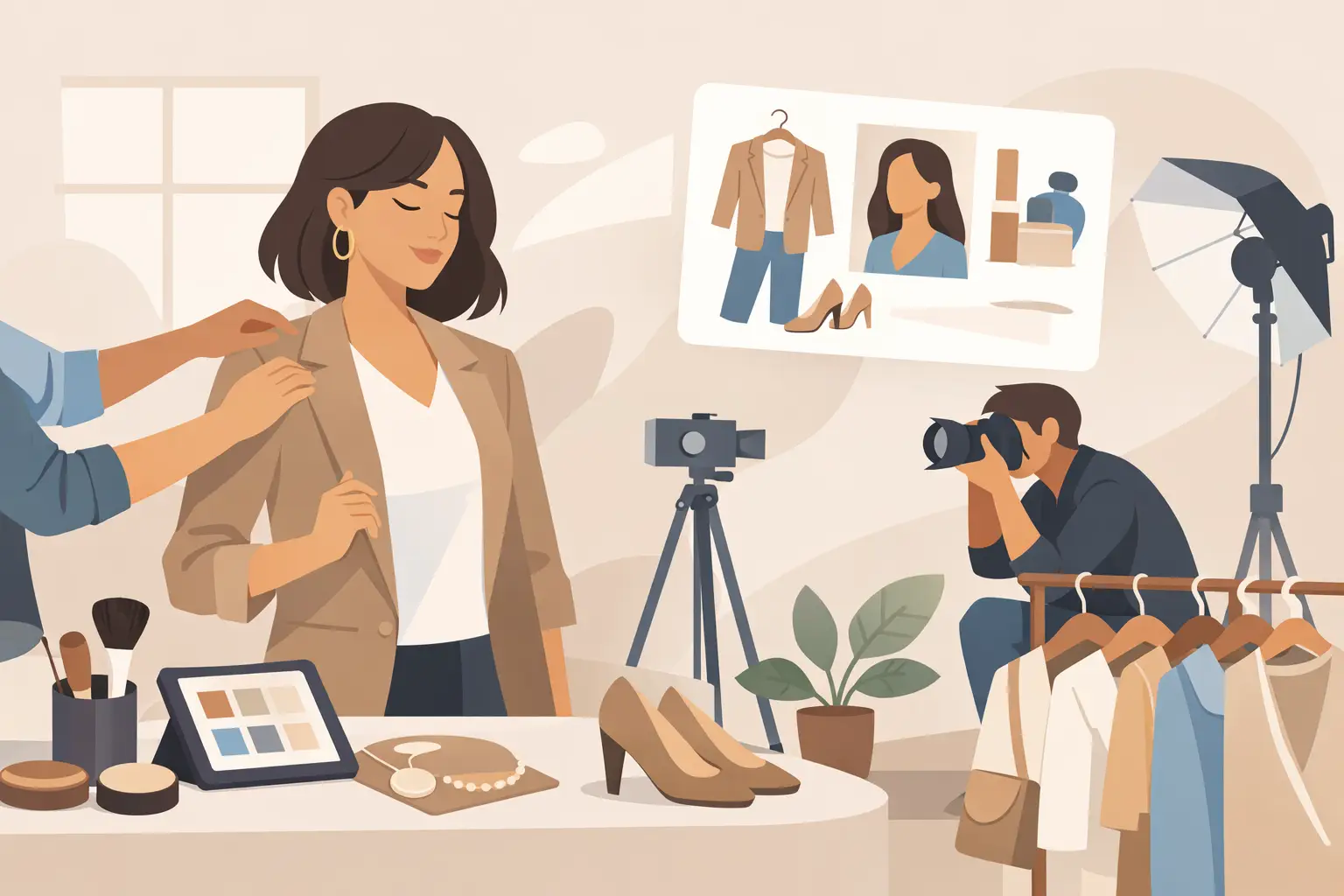
The real advantage of expert styling is not just looking better in photos. It is reducing decision fatigue and creating a finished visual story. When hair, beauty preparation, wardrobe, and photography are considered together, the final result feels intentional from every angle.
That is especially valuable for busy professionals who do not want to manage five separate appointments and hope everything comes together on shoot day. A total image creation approach brings clarity. Instead of asking, Does this outfit work with my hair, skin, and backdrop, you have a cohesive plan.
For clients in San Diego preparing for a branding session, this kind of coordination can be the difference between looking simply dressed up and looking fully realized on camera. At BB Meme Salon, that artistic, photo-ready perspective is part of the experience.
A simple way to prepare the week before
In the final week, avoid major experiments. Stick with flattering hair color and cuts you already trust. Confirm that each outfit is clean, tailored, and comfortable. Try on jewelry with each look. Check undergarments. Make sure shoes still feel elegant after standing in them.
The night before, steam garments, pack accessories, and get proper rest. On the day of the shoot, arrive with enough time to settle in. Rushed energy always shows in the face first.
The best personal branding photos do not happen by accident. They are styled with restraint, intention, and an understanding that beauty is not separate from identity. When your visual presentation truly supports your message, the camera stops feeling intimidating and starts feeling useful.