About the author : bbmemesalon@gmail.com

A true hair color correction example usually starts the same way – not with a formula, but with a feeling. You look in the mirror and something is off. Maybe the blonde turned banded and brassy. Maybe a rich brunette lifted too warm. Maybe an at-home box dye left the ends flat while the roots grabbed darker than expected. Color correction is rarely about one wrong shade. It is about restoring balance, softness, dimension, and confidence.
For clients who care about a polished, camera-ready finish, correction work is both technical and artistic. The goal is not simply to erase a mistake. It is to create hair that looks intentional, flattering, and beautifully aligned with your features, style, and daily life.
A Hair Color Correction Example From Consultation to Finish
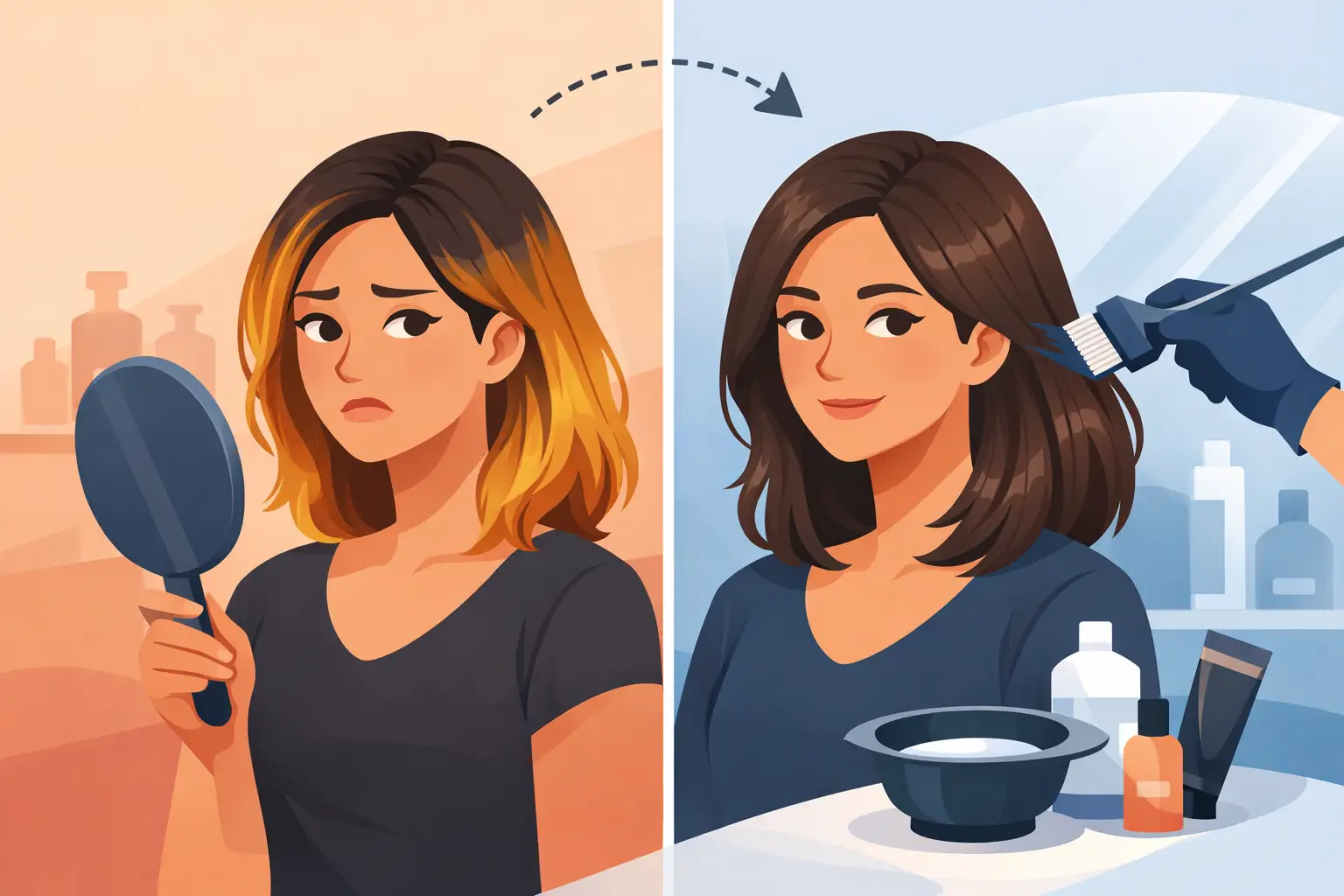
Picture this: a client comes in with shoulder-length hair that was previously highlighted, then covered with a medium brown box color at home. A few weeks later, the roots look warmer than the mids, the ends appear muddy, and pieces around the face flash orange in natural light. She has an event coming up and wants to feel refined, not overprocessed.
At consultation, the stylist studies more than color alone. Hair density, porosity, previous lightening, elasticity, and the history of overlapping color all shape the plan. This matters because two heads of hair can look equally uneven and require completely different approaches.
In this example, the first priority is not making the hair lighter as fast as possible. It is creating an even canvas while protecting the integrity of the hair. That often means adjusting expectations. If the hair has multiple layers of artificial pigment, the cleanest result may take more than one visit. A beautiful correction is measured by quality, not speed.
The stylist might begin with a strand test to see how the darker artificial color lifts. If the hair responds well, a controlled lightening or color remover process may be used through the mids and ends where buildup is strongest. Once the old pigment softens, the underlying warmth becomes visible. That warmth is not a failure. It is the truth of the canvas, and skilled correction depends on reading it accurately.
After that, the formula work becomes precise. Areas that lifted overly warm may need targeted toning. Sections that stayed too dark may need additional gentle refining. The root area may be softened so it blends naturally into the rest of the hair, rather than sitting as a separate band. Finally, lowlights or glossing may be added to rebuild dimension, because hair can technically be corrected and still look flat if artistry is missing.
The finished result in this kind of case is often a soft, dimensional brunette or bronde rather than an icy blonde. That is an important distinction. The best correction result is the one your hair can support beautifully.
What This Hair Color Correction Example Really Shows
The most helpful lesson in any hair color correction example is that correction is rarely one single step. It is a sequence of decisions made in real time. A talented colorist is not following a script. They are responding to what the hair reveals at each stage.
This is why correction pricing and timing can vary so much. One guest may need color balancing and gloss. Another may need pigment removal, re-lightening, root melting, toning, and a treatment. From the outside, both situations may look like “fixing bad color,” but the work behind them is very different.
It also explains why honesty at consultation matters. If your hair has had salon highlights, at-home dye, glosses, mineral-heavy water exposure, or even sun fading, each detail can affect the final result. The more complete the history, the more tailored and protective the correction can be.
The Most Common Reasons Color Needs Correction
In salon settings, a few patterns appear again and again. One is banding, where visible stripes or levels develop from overlapping lightener or repeated root touch-ups. Another is uneven warmth, where some sections turn gold while others pull copper or orange. There is also over-darkening, which happens when color is repeatedly applied from roots to ends until dimension disappears.
Then there is the issue of expectation drift. A client asks for cool beige blonde and leaves with something far ashier than flattering, or wants rich brunette and ends up with a color that feels dense and one-dimensional. Not every correction begins with damage. Sometimes the hair is healthy, but the tone and visual effect are simply wrong for the person wearing it.
That is where a more editorial eye becomes valuable. Great color should work with skin tone, haircut shape, maintenance routine, and how the hair photographs in daylight, evening light, and on camera.
Why Healthy Hair Changes the Correction Plan
Clients often come in asking, “Can you fix it today?” Sometimes the answer is yes. Sometimes the more expert answer is, “Yes, but in stages.” That can be hard to hear when you want immediate transformation, especially before a wedding, trip, branding shoot, or major event.
Still, restraint is often what protects the final outcome. Hair that has been heavily lightened or repeatedly colored may not tolerate an aggressive same-day correction. Pushing too far can lead to breakage, rough texture, or a result that looks acceptable for one week and compromised after two shampoos.
A thoughtful correction may include a strategic first session to remove the harshest unevenness, followed by glossing or tonal refinement later. This is not a compromise in the negative sense. It is craftsmanship. Beautiful hair depends on what it can hold, not just what it can reach for a few hours in the chair.
What to Expect During the Appointment
Color correction appointments are usually longer than standard color services because they require testing, monitoring, and custom formulation. There may be several steps with rinsing in between, and your stylist may adjust the original plan based on how the hair reacts. That flexibility is a sign of professionalism, not uncertainty.
You should also expect conversation around maintenance. Once a correction is complete, the home routine matters. The right shampoo, heat habits, washing frequency, and follow-up glosses can keep the corrected shade elegant and stable. Without that care, unwanted warmth, fading, or dryness can return quickly.
For many guests, the most satisfying part of the appointment is not just seeing the color improve. It is feeling that the result finally looks intentional. The hair starts to make sense again. It frames the face properly. It moves with more dimension. It feels like you, only more polished.
Choosing the Right End Result
One subtle but essential part of correction is choosing the right destination shade. If your hair is currently patchy blonde, for example, the best result might be a creamy beige with soft depth rather than the palest possible finish. If your brunette feels flat, the answer may be ribbons of dimension and tonal richness rather than a full dramatic lift.
This is where a high-touch salon experience makes a difference. The right stylist is not only asking what went wrong. They are asking what image you want to project when the correction is complete. Effortless luxury, softer brightness, cleaner contrast, more natural movement – those are visual decisions as much as technical ones.
At BB Meme Salon, that perspective is part of the larger beauty philosophy. Hair color lives in conversation with haircut, skin tone, finish, and the way you want to present yourself in everyday life and special moments.
When to Book Sooner Rather Than Later
If your hair feels uneven after a recent color service, it is usually better to address it early instead of layering more home fixes on top. Purple shampoo cannot solve true banding. Box dye rarely evens out previous lightening. And trying to cancel warmth on your own can leave the hair darker, duller, or greener than before.
A professional assessment can tell you whether the issue is tonal, structural, or both. That clarity alone can save time, money, and stress. More importantly, it gives your hair a path back to looking refined instead of repeatedly patched.
The most reassuring thing about any hair color correction example is this: even complicated color can often be guided back into harmony with patience, skill, and a strong creative eye. The right correction does more than fix a shade. It restores the feeling that your hair belongs to your whole image again.